Brex vs Charity Charge for Nonprofits
Brex is a strong corporate card platform for startups and growing businesses. Charity Charge is built exclusively for 501(c)(3) organizations and underwrites the reality nonprofits live with: grants, donations, program revenue, reserves, and organizational history.
Designed for 501(c)(3) nonprofits, charities, foundations, churches, schools, and associations.
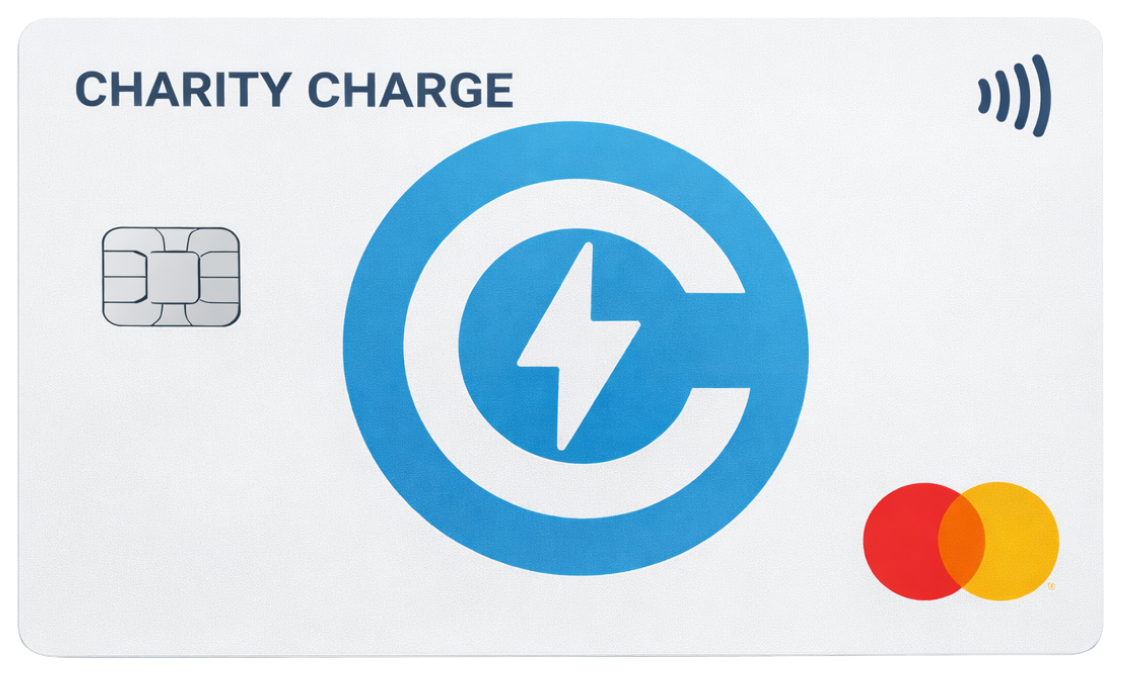
- Built for nonprofits
- 501(c)(3)-focused
- Program, fund, department, and staff controls
- Audit-ready card activity
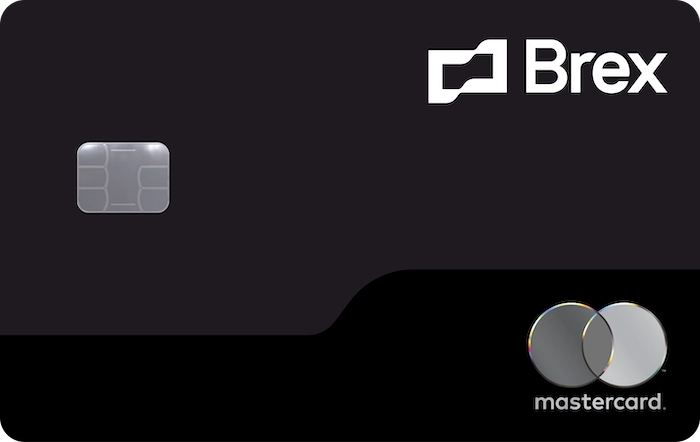
- Built for startups and businesses
- Strong for venture-backed companies
- Corporate spend platform
- Nonprofit fit depends on eligibility and use case
Choose Charity Charge if your organization is a registered 501(c)(3).
Choose Charity Charge if you want a card underwritten to nonprofit reality. Choose Brex if you need a broader business finance platform and your organization looks more like a startup or high-growth company than a traditional nonprofit.
Choose Charity Charge if
You are a registered 501(c)(3) and want a card underwritten to grants, donations, program revenue, reserves, and organizational history — not startup metrics.
Choose Brex if
You need a broader business finance platform and your organization looks more like a startup or high-growth company than a traditional nonprofit.
Purpose-built for nonprofit finance teams.
Nonprofit-first support
Work with a team that understands 501(c)(3) operations.
Staff and board controls
Issue cards with practical limits and visibility.
Program tracking
Organize spend by fund, program, department, grant, location, or event.
Cleaner reconciliation
Keep card activity easier to review at month end.
Why nonprofits choose Charity Charge over Brex
Purpose-built for 501(c)(3)s
Charity Charge is designed specifically for nonprofit organizations, not retrofitted from a startup finance platform.
Better fit for nonprofit approvals
Set practical card controls for staff, board members, departments, programs, locations, and events.
Cleaner fund and program tracking
Support the way nonprofits manage spend: by restricted funds, grants, departments, programs, campaigns, and cost centers.
Audit-ready visibility
Help finance teams maintain cleaner documentation with clearer transaction history, receipt collection, memos, and reporting.
The underwriting question: how each provider reads your finances
Brex says it sets credit limits using financial factors such as revenue or dollars raised. That makes sense for a startup or venture-backed business. It does not describe a nonprofit whose finances are built from grants, donor support, program revenue, restricted funds, and reserves that are not all available for day-to-day operations.
Charity Charge underwrites using the nonprofit's actual financial profile: grants, donations, program revenue, reserves, and organizational history. The card is not prepaid, not pay-in-full, and not pre-funded — which is the right model for organizations that need credit tied to mission cash flow, not startup metrics.
Worked scenario: the grant-funded organization trying to qualify
A literacy nonprofit has operated for eight years. Annual budget: $2.1M, funded by federal grants (60%), foundation grants (30%), and individual donations (10%). Unrestricted operating cash: $55,000. Restricted program funds: $340,000, legally designated for specific programs.
Brex's underwriting looks at revenue and dollars raised. This organization does not have VC funding, and its grant income does not read like startup ARR. The restricted $340,000 cannot be counted toward an operating cash threshold because it is not legally available for general use.
The $55,000 in unrestricted cash is real, but modest by startup standards.
Charity Charge evaluates the same organization on grants, donations, program revenue, organizational history, and reserves. Eight years of operation and a stable funding mix tell a clear credit story.
The restricted funds are treated as what they are: program money, not a liability. Same nonprofit. Two very different pictures depending on whose lens is reading it.
Know the cost before you choose the card.
Charity Charge keeps pricing simple for nonprofits. Brex can start at $0, but the deeper workflow and support tiers add cost as you scale.
Charity Charge — $0
Annual fee. No monthly platform fee at any scale. Receipt capture, approval workflows, real-time transaction visibility, and accounting sync are included without forcing a tier upgrade.
Source: charitycharge.com · June 2026
Brex — $0–$12/user/mo
Essentials starts at $0. Premium is $12/user/month and adds advanced policies, multi-entity, and HRIS integrations. Enterprise is custom pricing and includes a named account manager.
Source: brex.com/pricing · June 2026
Charity Charge vs Brex at a glance
This comparison is written for nonprofit finance teams evaluating a Brex alternative. Brex information is based on public Brex pages checked in June 2026, and terms may change.
| Category | Charity Charge | Brex |
|---|---|---|
| Best fit | 501(c)(3) nonprofits, charities, foundations, churches, schools, and associations | Startups, venture-backed companies, tech companies, and for-profit business teams |
| Built for | 501(c)(3) nonprofits exclusively since 2015 | Venture-backed startups and growing businesses |
| Underwriting lens | Grants, donations, program revenue, reserves, and organizational history | Revenue and dollars raised, which fits startup-style financial profiles |
| Card type | Actual credit card: a true line of credit underwritten to the organization, paid in full each statement cycle | Corporate card and spend management platform |
| Annual fee | $0 | $0 on Essentials |
| Monthly platform fee | $0, with expense tools included | $0 on Essentials, $12/user/month on Premium, custom on Enterprise |
| Who is liable | The organization | The business, on eligible products |
| Nonprofit-only | Yes, 501(c)(3) exclusively | No, general business platform |
| Dedicated account manager | Yes, from the first discovery call | Enterprise tier only |
| Accounting sync | QuickBooks, NetSuite, Sage, or audit-ready export | QuickBooks, Xero, NetSuite, and other business systems |
| Cards | Physical + virtual, assigned by role, program, or department | Physical + virtual, unlimited |
| Spend controls | By merchant, category, or dollar amount | By category, merchant, time period, and policy controls |
| Who qualifies | Registered 501(c)(3) nonprofits, foundations, churches, schools, associations | U.S.-registered businesses, with nonprofits reviewed case by case |
| Global card issuing | U.S.-based 501(c)(3) organizations | Cards issued in 50+ countries; accepted in 120+ countries |
| Banking and treasury | Card product only | Checking, treasury, bill pay, travel, and a broader financial stack |
Eligibility note: Brex's public account requirements page says nonprofits are handled case by case and that Brex may request board/governance information, 501(c)(3) designation, and articles of incorporation. Nonprofits should confirm current requirements directly with Brex.
Sources checked June 2026: Brex account requirements, Brex corporate card page, and Charity Charge FAQs.
Where Brex and Charity Charge overlap
Both cards share one feature that matters most for many organizations: underwriting to the organization rather than an individual. Both also offer physical and virtual cards, spend controls, accounting integrations, and base plans with $0 annual fees.
That means the decision should come down to fit, not features alone. Brex is built for a company trying to grow fast. Charity Charge is built for a nonprofit trying to keep mission spend organized, visible, and audit-friendly.
When Brex may be the better fit
Brex may be a strong option if your organization is a venture-backed startup, a high-growth business, or a for-profit company looking for a broad spend management platform.
- You are a startup with venture funding.
- You have a business-first finance team.
- You need advanced startup spend management.
- Your organization fits Brex's current eligibility requirements.
- You are not managing nonprofit-specific grant, fund, board, or restricted-use spending complexity.
When Charity Charge is the better fit
For nonprofits, the better question is not "Which platform has more startup finance features?" It is "Which card is designed around how nonprofits actually operate?"
- You are a registered 501(c)(3) nonprofit.
- You need staff or department cards.
- You need spending controls without complicated finance software.
- You manage restricted funds, grants, programs, campaigns, or events.
- Your board wants cleaner oversight.
- Your finance team wants simpler reconciliation.
- You want a card provider that understands nonprofits.
Built for nonprofit finance teams that need clarity fast.
Apply with nonprofit context, issue cards with practical controls, and keep the transaction details your finance team needs for accounting, board review, and audit prep.
Apply with nonprofit context
Charity Charge understands nonprofit entities, documentation, and finance structures.
Issue cards with controls
Give staff, teams, and departments spending access while keeping limits and oversight in place.
Reconcile with less cleanup
Keep transaction details, receipts, memos, and reporting organized for accounting and board review.
Frequently asked questions
Is Brex available for nonprofits?
Brex eligibility can change, and nonprofits should confirm directly with Brex. Brex's public account requirements page says it works with nonprofits on a case-by-case basis. In general, Brex is best known as a corporate card and spend management platform for startups, venture-backed companies, scaled companies, and other businesses. Charity Charge is built specifically for nonprofit organizations.
How much does Brex cost for nonprofits?
Brex's Essentials tier is $0 per user per month and includes the corporate card, expense management, and core integrations. The Premium tier is $12 per user per month and adds advanced expense policies, HRIS integrations, multi-entity support, and other features. The Enterprise tier is custom pricing and includes a named account manager.
How does Brex determine credit limits?
Brex says it sets credit limits based on financial factors such as revenue or dollars raised. That language fits startup metrics. For nonprofits whose finances are built from grants, restricted funds, and program revenue, Brex's underwriting system was not designed to evaluate that profile. Charity Charge underwrites using the nonprofit's own financial picture.
Who is liable on a Brex card?
Brex's startups page states the business, not an individual, is liable on eligible products. Charity Charge is designed to be underwritten to the organization as well. Confirm current application-specific terms before publishing or applying.
Who is liable on a Charity Charge card?
The organization. Charity Charge is underwritten to the organization, not to a board member, executive director, or staff member personally. Confirm current compliance language before publishing.
What accounting software does each card sync with?
Charity Charge syncs with QuickBooks, NetSuite, and Sage, or exports to an audit-ready format for any other ledger. Brex integrates with QuickBooks, Xero, NetSuite, and many other platforms. For most nonprofit accounting setups, both products cover the core systems, but Brex's larger integration library is more relevant for enterprise environments.
How do I switch from Brex to Charity Charge?
Start with a discovery call. A dedicated account manager helps map grant codes, program departments, card users, accounting integration, and the reporting your auditor expects. Many teams run both cards during the transition, then close Brex once Charity Charge is fully operational.
Is Charity Charge only for 501(c)(3) organizations?
Yes. Charity Charge is exclusively available to registered 501(c)(3) organizations, including nonprofits, charities, foundations, churches, schools, and associations. It has served that single customer type since 2014.
Ready for a card underwritten to how your nonprofit actually operates?
Charity Charge is exclusively available to 501(c)(3) organizations. A true line of credit, no annual fee, underwritten to the organization, and a dedicated account manager from the first call.
Comparing more options? Our guide to the best credit cards for nonprofits puts Brex, Ramp, KleerCard, Charity Charge, and the big-bank cards side by side.