Credit Card for Churches With Built-In Spending Controls
Give pastors, staff members, ministry leaders, and approved volunteers access to the funds they need without relying on shared cards, personal reimbursements, or uncontrolled spending.
Charity Charge provides credit card and expense-management solutions built specifically for nonprofits, including churches and ministries.
A Church Credit Card Should Protect the Organization and Its Leaders
Choosing a credit card for a church is about more than rates or rewards. It is about protecting staff, board members, and the church itself while making spending easier to document and review.
Many small-business cards put a person on the hook for the account. That can expose a pastor, treasurer, or board member to personal credit risk for church expenses.

A card and workflow designed around the church's financial profile, with controls that match real ministry spending, not a generic small-business setup.
Built for the Way Churches Actually Spend
Church spending is spread across staff, campuses, ministry areas, and events. One shared card or a reimbursement-heavy process makes that harder than it needs to be.
Pastors and ministry leaders
Assign separate cards for mission trips, hospitality, program supplies, and travel.
Church administrators
Keep office purchases, vendor invoices, and operating expenses visible in one place.
Facilities teams
Give maintenance and repair spending its own card and limit.
Worship and event teams
Use virtual cards for subscriptions, event vendors, and temporary projects.
Youth and outreach staff
Set temporary spending rules for camps, retreats, meals, and local outreach.
Bookkeepers
Capture receipts and coding sooner, so month-end is cleaner and less manual.
Volunteers
Approve limited-use cards instead of asking volunteers to use personal funds.
Board-approved initiatives
Use spending limits that match the approval level of the initiative itself.
Control Church Spending Before It Happens
Traditional expense management finds problems after money is already gone. Charity Charge helps churches set guardrails before a purchase is made.
Set cardholder spending limits
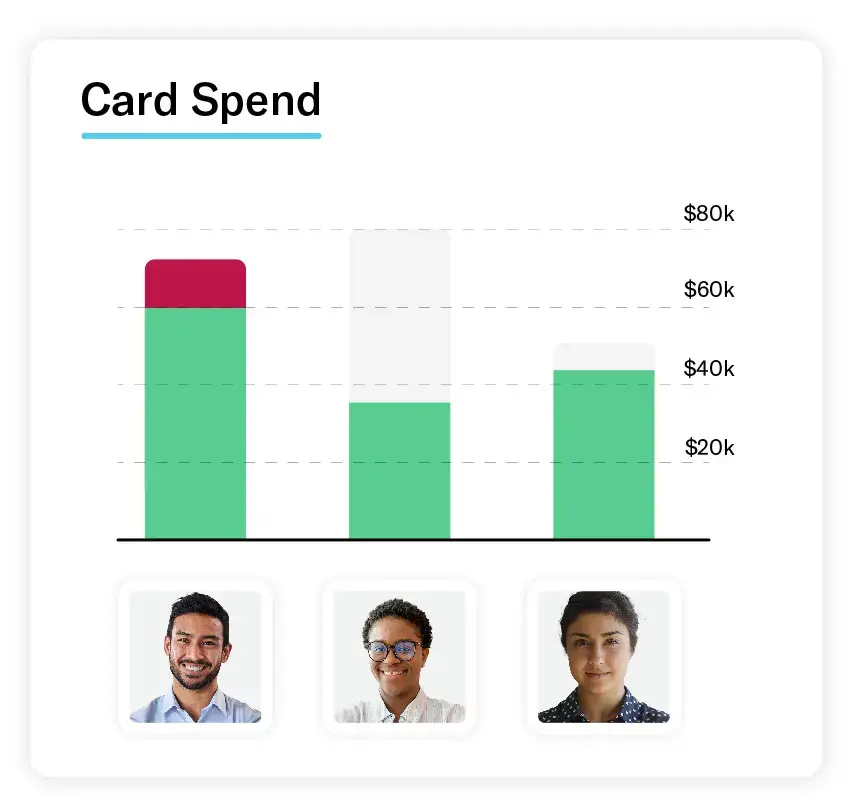
Assign limits based on role, ministry, or event instead of giving every cardholder access to the church's full credit line.
Control where cards can be used
Apply merchant, category, transaction, and dollar-based restrictions for approved cards.
Issue physical and virtual cards
Use physical cards for recurring purchases and virtual cards for online vendors, subscriptions, or short-term projects.
Collect receipts faster
Cardholders can attach receipts directly to transactions instead of sending paperwork to the office later.
Create approval workflows
Route transactions to the right reviewer, whether that is a ministry director, treasurer, or finance committee member.
Monitor transactions in real time
Review spending as it happens instead of waiting for the monthly statement.
Reduce Reimbursements and Shared-Card Risk
Reimbursements and shared cards are common, but they create avoidable friction for finance teams. A better system makes every transaction easier to identify, approve, and reconcile.
What goes wrong with reimbursements
Receipts get lost. People wait weeks to file expenses. Staff carry church costs on personal cards. The bookkeeping team spends time chasing documentation instead of closing the books.
- Missing or delayed receipts
- Delayed reimbursements
- Extra admin work for bookkeepers
What goes wrong with shared cards
When multiple people use the same card, it becomes hard to tell who made the purchase, why it happened, or whether it was approved.
- Harder to assign transactions
- Weaker audit trail
- More follow-up for ministry and finance teams
Charity Charge vs. a Traditional Business Credit Card
The right comparison is not just rate or rewards. It is liability, controls, documentation, and whether the account fits how a church actually operates.
| Category |
Charity Charge Church-friendly
|
Traditional business card | Shared card or reimbursement process |
|---|---|---|---|
| Underwriting | Evaluated around the organization's financial profile and documentation | Often tied to an individual signer or owner profile | No underwriting, but no real credit structure either |
| Personal guarantee | Designed to avoid putting the burden on a single person | Often required for business cards | Personal cards shift the burden to staff and volunteers |
| Card controls | Per-card limits, merchant controls, virtual cards, approvals | Controls vary by issuer | Limited or manual |
| Receipts and approval workflows | Built into the workflow | Usually requires separate software | Manual follow-up and paperwork |
| Accounting fit | Designed to reduce month-end cleanup | May need separate tools or exports | Bookkeeper does more manual sorting |
| Best use case | Churches that want organization-level control and better documentation | General small businesses | Very small teams with simple, low-volume spend |
Frequently Asked Questions
Can a church get a credit card?
Yes. Churches can apply for credit cards using their organizational information and Employer Identification Number. Approval requirements depend on the issuer, the card program, the church’s operating history, and its financial profile.
Can a church get a credit card without a personal guarantee?
Some qualifying churches can obtain organization-based credit without requiring a pastor, board member, or staff member to personally guarantee the account. Charity Charge offers organization-based underwriting for eligible nonprofits, and final requirements depend on the specific card program and underwriting decision.
Can staff members and volunteers receive separate cards?
Yes, depending on the card program. Churches can provide separate physical or virtual cards to approved staff members, ministry leaders, departments, campuses, or volunteers, and each card can be configured with appropriate spending limits and controls.
How can a church control employee card spending?
Churches can establish controls by cardholder, dollar amount, transaction size, merchant, merchant category, ministry, department, program, or event. Available controls vary by card product.
What happens when a pastor or employee leaves?
The church can deactivate the individual’s card and remove account access while keeping the organization’s primary account active. Churches should include card cancellation and return procedures in their written employee separation policies.