Nonprofit leaders do not need another pep talk. They need practical ways to reduce overload, raise more money, and stop reinventing the wheel.
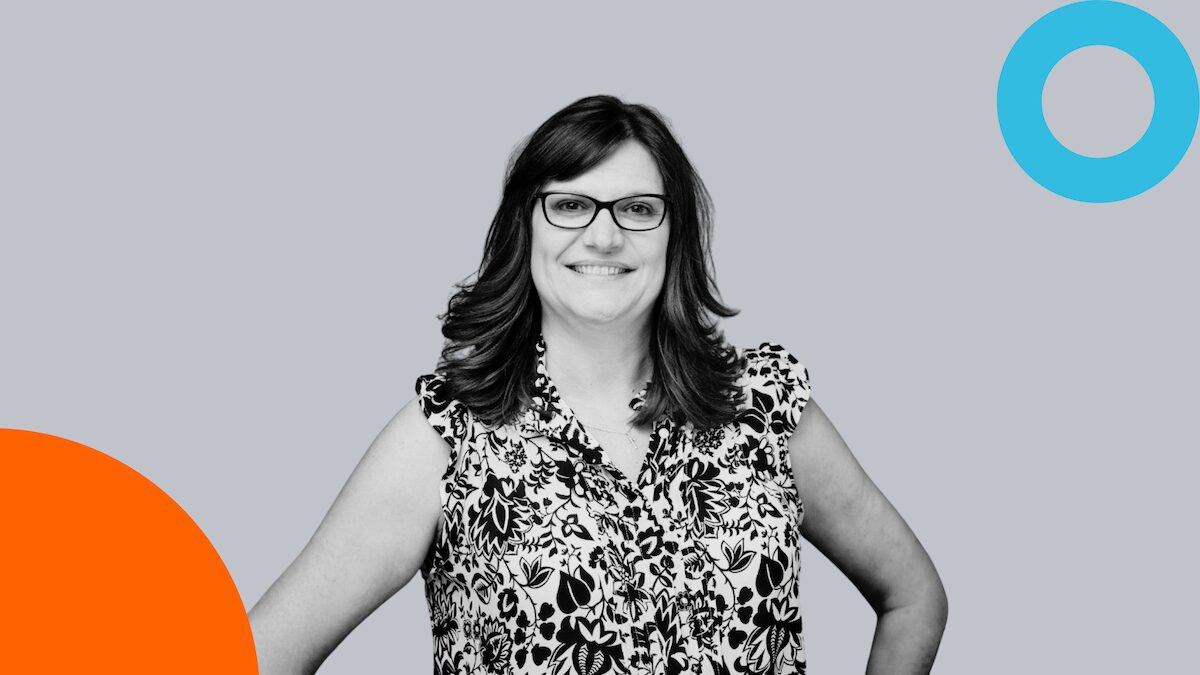
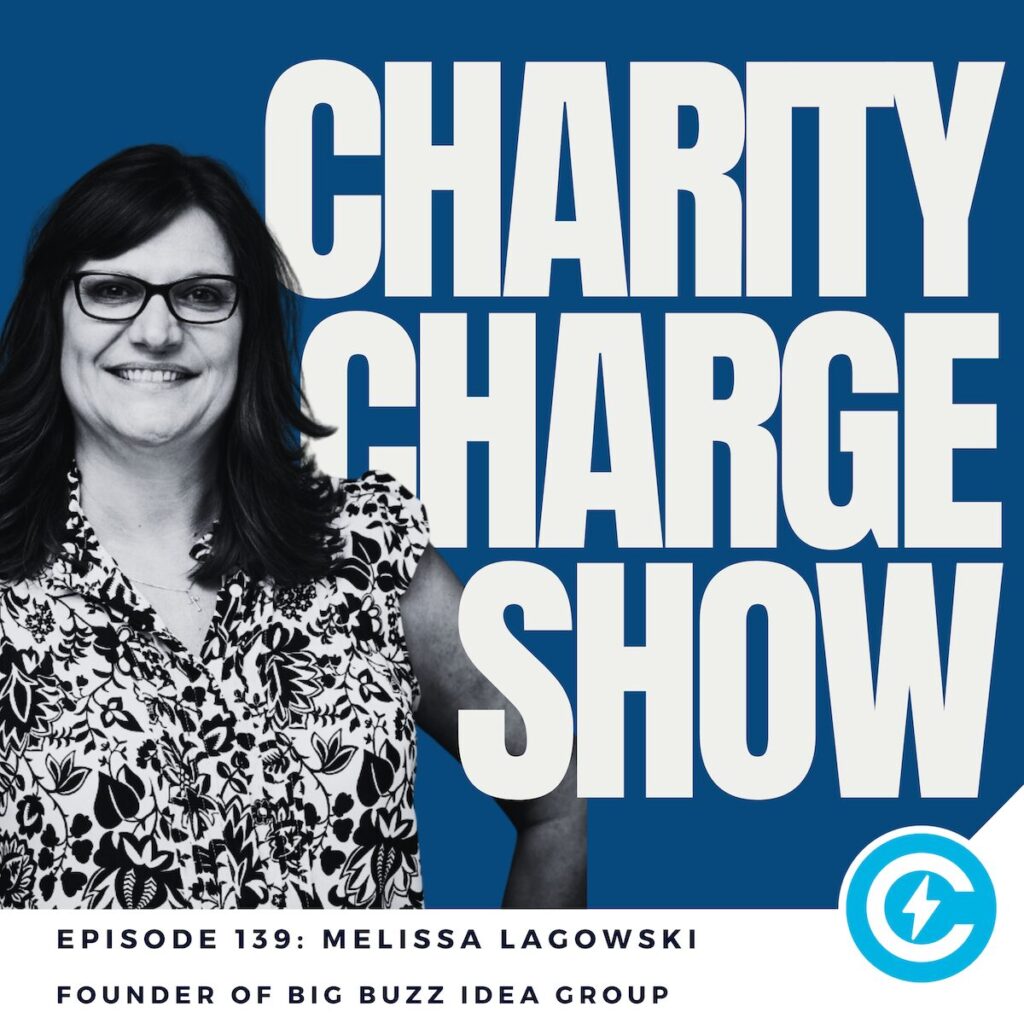
In this episode of the Charity Charge Show, host Stephen Garten sits down with Melissa Lagowski, Founder and CEO of Big Buzz Idea Group, to talk about what it really looks like to run a nonprofit when you are under-resourced, overstretched, and still expected to deliver results.
Melissa has lived it. She started her career as a solo executive director in Chicago, juggling events, newsletters, committees, and member management as a staff of one. She burned out within a few years, tried corporate, and quickly realized she belonged back in mission-driven work. That journey became the seed for Big Buzz Idea Group, a firm that now helps nonprofits across the country fill operational gaps, strengthen fundraising, and run with more discipline.
This conversation covers the human side of leadership, plus tactical steps any nonprofit can take right now.
Overview
Melissa Lagowski: From Executive Director to Founder
Melissa’s nonprofit story starts in 1999 as an executive director for a small nonprofit in Chicago. She describes a workload that sounds familiar to many leaders:
- 24 events per year
- 12 newsletters per year
- 8 committees
- 225 members
- Staff of one
It felt like a dream job until it did not. Within three years she was burned out.
She moved into corporate work for a Fortune 500 division, but it was not a fit. Her pull toward philanthropy and fundraising had been there since childhood, including running her own fundraiser as a kid. Eventually, she returned to the sector and built what became Big Buzz Idea Group, originally intended to be “a job she liked,” not a full company.
Today, Big Buzz has grown into a long-running partner for nonprofits that need real execution and honest guidance.
The Reality for Small Nonprofits: One Person Cannot Do It All
Stephen points out a tough truth: a huge portion of nonprofits operate under $1M in annual revenue. That means limited staff, limited systems, and leaders wearing too many hats.
Melissa breaks down why the “staff of one” model breaks people:
- Boards often do not understand what staff actually does day to day
- A single person gets forced into unrelated roles: admin, strategist, marketer, event planner, writer, designer, membership lead, fundraiser
- Critical functions get neglected, especially revenue work like sponsorship and major donor cultivation
- Organizations repeat the same budget cycle every year, then wonder why nothing changes
- Bad financial reporting or bookkeeping can quietly cripple an org
Her blunt point: if you keep doing what you have always done, you will keep getting what you have always got.
Self-Care That Is Not Fluffy: Boundaries and Peer Support
This part of the episode is worth hearing if you are an executive director who feels trapped inside nonstop availability.
Melissa’s advice is not “take a bubble bath.” It is structural:
1) Set real boundaries
Nonprofit leaders often work nights and weekends because they feel they have to. Melissa calls that unsustainable and says leaders need to advocate for clear parameters with boards and stakeholders.
2) Cover the basics
Rest, nutrition, and recovery matter. Not glamorous, but they determine whether you can lead without crashing.
3) Get a confidential peer circle
Melissa created a peer-to-peer program called Power Cell, a small confidential group where nonprofit leaders can talk honestly without fear of judgment. The point is simple: leaders need a safe place to be real, so the stress does not stay bottled up.
Collaboration Beats Competition (Even When Funding Feels Scarce)
Stephen raises something many leaders feel but rarely say out loud: nonprofits often treat peer organizations as competitors because funding is limited.
Melissa argues the opposite approach produces better outcomes:
- Most nonprofits have different niches and differentiators even if their missions overlap
- Funders often prefer collaborations because the impact can be larger per dollar
- Collaboration reduces wheel-reinventing and shortens learning curves
- Some of the strongest leaders she knows share training and grant-funded development opportunities with other nonprofits, so everyone levels up
Her takeaway: staying siloed keeps everyone stuck.
Tactical Moves Any Executive Director Can Start This Week
Melissa shares several concrete, low-effort habits that make a difference.
Keep a running “How can you help?” list
When someone says “How can I help?” most leaders blank because they are overwhelmed. Melissa advises keeping a live list of tasks and projects, especially higher-skill needs like:
- marketing copy and design
- donor outreach materials
- sponsorship decks
- systems setup (project management tools, CRM cleanup, reporting)
That way, when a volunteer with real expertise shows up, you can deploy them effectively instead of defaulting to mail stuffing.
Do one hour of strategy each week
Urgent work swallows the important work. Her suggestion: schedule one hour early in the week when you are fresh, and use it for needle-moving strategy, not operations.
Big Buzz Idea Group: What They Do and Why Outsourcing Can Work
Stephen frames outsourcing as a “novel idea” for many nonprofits. Melissa explains why it can be the right call, especially for lean teams:
- nonprofits may not want overhead or staff management
- they might need only a few hours per week or seasonal help
- part-time hires can be unstable, while a firm can handle peaks and valleys
- an experienced partner fills gaps without heavy training
She gives an example of growth: a client that started with Big Buzz handling admin and back-office needs, then stabilized finances and moved toward hiring an executive director.
Her standard for success is refreshing: if Big Buzz does their job right, some clients will outgrow them.
Choosing a Consultant Without Getting Burned
This is one of the most important sections of the episode.
Melissa has seen nonprofits get taken advantage of, including a case where an association management firm left an organization over $100,000 in debt.
Her recommendations for nonprofits vetting consultants:
- treat it like dating, do not rush
- have multiple conversations and reflect between them
- demand clarity on what will and will not be delivered
- avoid promises of guaranteed fundraising results
- insist on tight pricing structure, either package pricing or hard thresholds
- watch out for extra invoices that cripple your budget
- verify math and margins, especially on events and vendor-managed fundraising
If a consultant cannot be transparent, they are not the partner you want.
AI and Fundraising: Practical Uses (Not Hype)
Melissa takes a grounded view of AI. She is not selling magic. She is talking about capacity.
AI as a creative thought partner
For overstretched teams, AI can help jump-start brainstorming and messaging when you do not have staff to workshop ideas.
Message refinement and segmentation
She calls out a common pain point: leaders like the idea of segmentation but cannot produce three versions of messaging when they can barely produce one newsletter.
AI can help with:
- rewriting messages for different donor segments
- making language more compelling
- generating variations quickly so staff can pick and polish
Prospecting and research support
Melissa mentions using AI to explore:
- which companies support specific causes
- how CSR priorities tie to mission alignment
- grant research prompts that uncover new leads
She also encourages nonprofits to identify and focus on their top supporters:
- top 10 to 20 individual donors
- top 10 to 20 companies
Then build relationships with curiosity.
Her fundraising principle is old-school and correct: ask better questions. People give more when they feel understood and aligned.
Year-End Planning: How to Close the Year Strong
As the calendar flips, Melissa recommends a simple reset that works for nonprofits and businesses alike:
- Review what worked and what did not
- Identify what is holding you back
- Define what an ideal next year looks like
- Clarify what resources you need to get there
- Take time to recharge before the new year starts
Her message: run the nonprofit like a business, but do not forget the humans doing the work.
Podcast Q&A Transcript
Q1) Melissa, can you share your background and what led you to start Big Buzz Idea Group?
Melissa: In 1999 I was the executive director for a small nonprofit in Chicago. I loved it, but I was a staff of one running 24 events a year, 12 newsletters, eight committees, and managing 225 members. I burned out in about three years, tried corporate, and realized I needed to be back in impact work. Fundraising has been part of me since I was a kid, and that led to starting Big Buzz Idea Group. It was meant to be a job I loved, and it grew into a company that serves nonprofits as an honest partner.
Q2) What do you see as the biggest struggles for nonprofits that are under-resourced?
Melissa: One person cannot do all the skills required to run an organization well. Boards often do not understand what staff does day to day, so they do not know how to help. When teams are one or two people, you end up wearing every hat, and the important work gets neglected. Sponsorship and development work are common areas that fall behind. That creates burnout, turnover, and a cycle that keeps organizations stuck.
Q3) Why do boards often struggle to support nonprofit staff effectively?
Melissa: Many boards do not understand the day-to-day realities or what it takes to run the organization operationally. It is not their skill set. If they do not understand the work, they cannot support it in a meaningful way. That is why nonprofits need clear communication and sometimes outside expertise to fill gaps.
Q4) What happens when leaders keep doing the same budgeting approach every year?
Melissa: Many nonprofits do a wash-rinse-repeat process. They take last year’s budget, compare performance, and maybe raise it slightly. But if you keep doing what you have always done, you will keep getting what you have always got. If you want to grow and increase impact, you need intentional changes and expert input, not just small tweaks.
Q5) You mentioned nonprofits should “run like a business.” What does that mean in practice?
Melissa: It means you need to plan, track numbers, invest in infrastructure, and build reserves. I remember as an executive director I wanted to save for a rainy day, and my board pushed back because they wanted all funds reinvested immediately. But then we saw recessions and a pandemic. Saving and planning is not optional. You need systems, financial visibility, and a strategy to survive shocks.
Q6) What are common operational failures you see that hold organizations back?
Melissa: One example is bookkeeping and financial reporting. We have seen situations where a bookkeeper did not submit reports for six, seven, eight months. You cannot run without knowing your numbers. If you do not have accurate reporting, you cannot make decisions, you cannot forecast, and you cannot grow.
Q7) When you meet a burned-out executive director, what is the first thing you tell them?
Melissa: They have to take care of themselves. Nonprofit leaders give to everyone else and feel like they have to be “on” all the time. That is exhausting. If you do not protect your energy, the organization will eventually suffer too.
Q8) What does self-care look like for nonprofit leaders in a practical sense?
Melissa: Start with boundaries. Many leaders are available nights and weekends and think that is expected. It is not sustainable. Advocate for realistic parameters. Then focus on basics like rest and nutrition. Everyone is different, but the principle is the same: you have to fill your bucket first, like the oxygen mask on a plane.
Q9) What is the Power Cell program and why did you create it?
Melissa: Power Cell is a peer-to-peer confidential circle for executive directors and nonprofit leaders. When I was an ED, I felt like I had to hold everything in. If I said something negative, people might think I could not do the job. During the pandemic, leaders were facing challenges they had never experienced. Power Cell gives leaders a safe space to share, process, and learn from others in similar roles.
Q10) How do you move nonprofits from competition to collaboration?
Melissa: Collaboration is a major way to reduce burnout and improve outcomes. Many nonprofits have different niches and differentiators, even if they are in the same general space. Funders also like collaborations because they can create larger impact with their dollars. When nonprofits stay siloed, everyone reinvents the wheel. When they collaborate, learning accelerates and resources stretch further.
Q11) What is one simple tactical habit that can help an overwhelmed ED immediately?
Melissa: Keep a running list of “how someone can help.” When people ask, “How can I help?” leaders often blank because they are in the thick of it. If you keep a list of needs and projects, you can match skilled volunteers to high-value work like marketing, design, systems, or fundraising support.
Q12) Why do you caution nonprofits against only using volunteers for low-skill tasks?
Melissa: Tasks like mail stuffing matter, but many volunteers can contribute at a higher level. If someone has expertise in marketing or operations, you should leverage that. High-skill engagement also creates deeper buy-in to the mission and can remove heavy projects from staff plates.
Q13) How can leaders make time for strategy when they are drowning in day-to-day tasks?
Melissa: Carve out one hour a week for strategy. The urgent always overrides the important. If you do not intentionally schedule strategy time, it will not happen. Do it early in the week when you are fresh, not at the end when the week has already taken over.
Q14) What types of nonprofits does Big Buzz Idea Group typically support?
Melissa: We support many small to mid-sized nonprofits, often teams of one to three people, where leaders are stretched thin and key functions need support. Sometimes we become the staff and fill gaps without requiring heavy training. We can support a few hours a week or scale up during peak times around projects and campaigns.
Q15) Has the geography of your clients changed over time?
Melissa: Yes. Before the pandemic, most clients were local. Now geography is not a barrier. We work with nonprofits across the country, including organizations with staff in different states.
Q16) What should nonprofits ask before hiring a consultant or outsourced partner?
Melissa: Treat it like an interview and do not rush. Have multiple conversations, reflect, and get clear on what you need. Ask what they can deliver and what they cannot. Also, protect yourself financially. Set package pricing or clear thresholds, so you do not get surprised by invoices that can cripple the organization.
Q17) What consultant red flags have you seen harm nonprofits?
Melissa: Surprise billing, unclear scope, unrealistic promises, and partners who are not aligned with the organization. I have seen nonprofits left with significant debt by vendors. I have also seen event vendors triple gross revenue but cut the nonprofit’s net in half, and leadership did not understand why. You have to do due diligence and understand the financial impact.
Q18) In what ways are nonprofits still behind the for-profit sector on technology adoption?
Melissa: Technology moves fast, and nonprofits often do not have time to learn it, even though it can save them time. Tools like online banking, project management platforms, and automation can reduce workload dramatically. But adoption takes training, time, and support, which many organizations do not have internally.
Q19) How should nonprofits think about AI without fearing it?
Melissa: AI is a tool that can increase efficiency. Nonprofits are already understaffed, so the point is not job loss. It is gaining capacity. If you use AI to reduce busywork, you can redirect time to higher-impact work and justify hiring more staff at a higher level later.
Q20) What are practical fundraising uses of AI for nonprofits?
Melissa: AI can be a brainstorming partner, help improve messaging, and support segmentation. Many leaders love segmentation but cannot execute it due to time. AI can help create donor-specific message variations faster. It can also support early research on corporate giving priorities, donor alignment, and grant opportunities.
Q21) What fundraising principle do you see nonprofits overlook most often?
Melissa: Curiosity. Ask more questions. Whether it is donors, sponsors, boards, or AI prompts, asking better questions builds stronger relationships. When you understand what a donor wants to achieve and what impact they care about, you can align your mission with their goals and grow support.
Q22) Where should nonprofits focus their fundraising time for maximum impact?
Melissa: Identify your top 10 to 20 donors and top 10 to 20 corporate supporters. Spend more time deepening those relationships and finding ways for them to level up. Also ask your supporters who else they know who might align with your mission.
Q23) What should nonprofit leaders do as the year closes and they plan for the next year?
Melissa: Reflect on what went well and what did not. Define what an ideal next year looks like, then identify what you need to get there. Use that clarity for board conversations and donor conversations. Also, take time to recharge before the calendar turns. Starting the year depleted is a bad strategy.