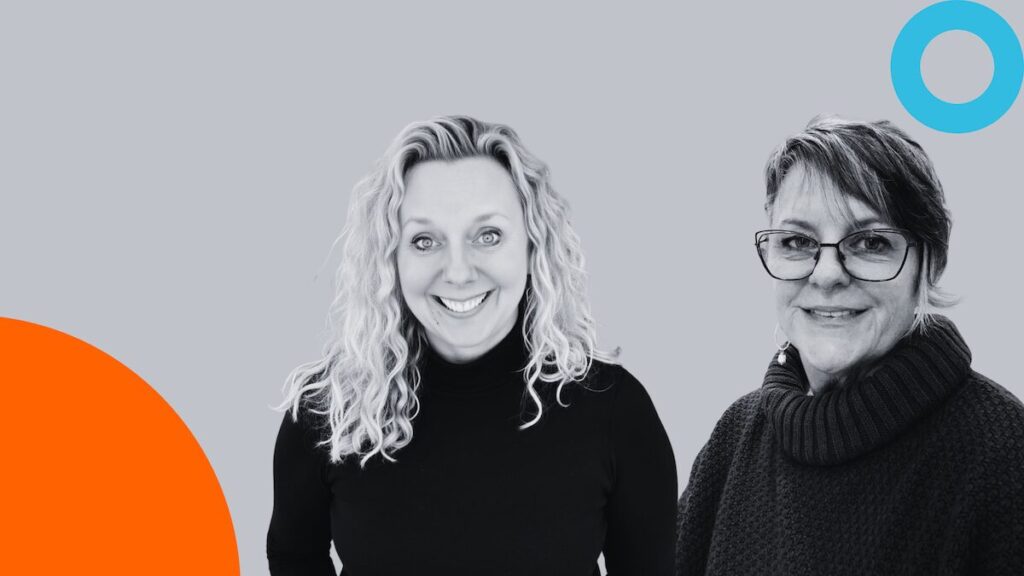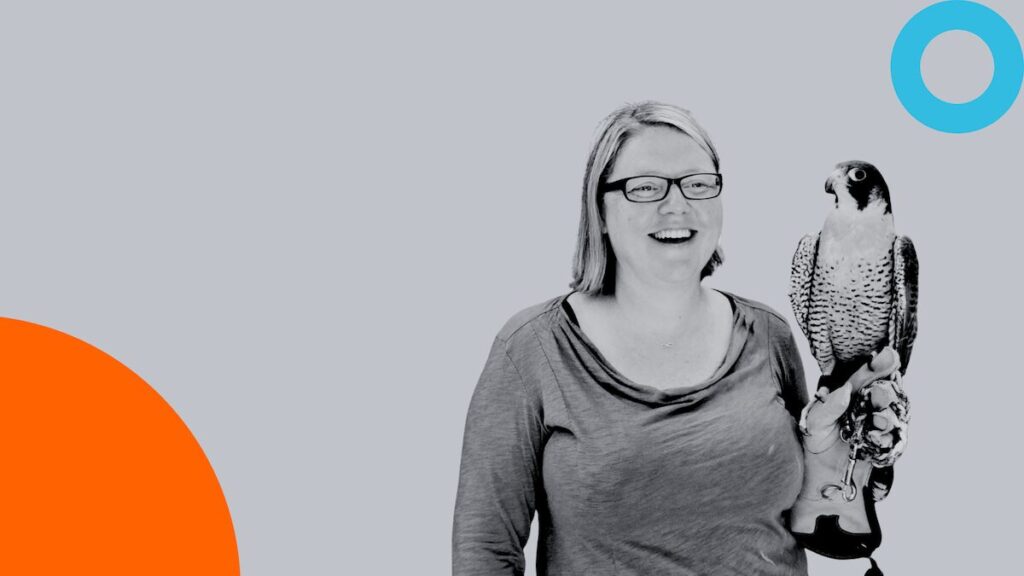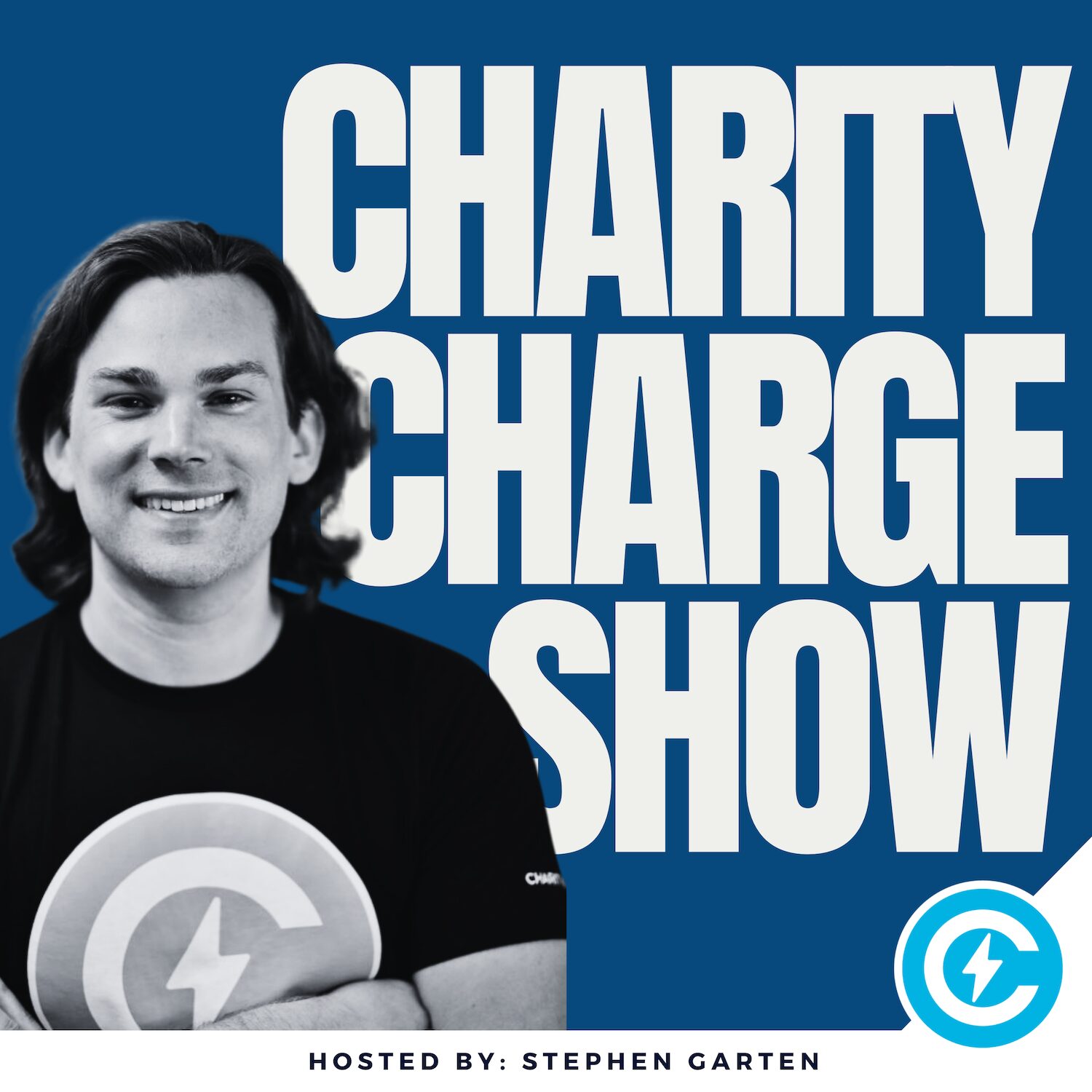
In this episode of the Charity Charge Show, host Stephen Garten sits down with Kristina “Steen” Joye Lyles, Executive Vice President of Impact for DonorsChoose. Since its founding in 2000, DonorsChoose has revolutionized philanthropy by creating a transparent, direct-to-classroom funding model.
Steen shares her journey from lawyer to educational advocate, the organization’s evolution over 26 years, and how they are leveraging two decades of data to prove that resource equity is the key to unlocking student potential.
Show Notes and Key Takeaways
- The Origin Story: Founded by a Bronx history teacher named Charles Best who saw the need for a transparent way for the public to support specific classroom needs.
- A Unique Model: Unlike traditional nonprofits, DonorsChoose does not just send cash. They fulfill specific wish lists ranging from crayons to drones and ship resources directly to schools.
- The Power of Data: With over 1 million teachers on the platform, DonorsChoose uses real time classroom data to track trends like mental health needs and the digital divide.
- The I See Me Initiative: A groundbreaking effort launched in 2018 to support teachers of color and ensure students see themselves reflected in their educators and learning materials.
- Resource Equity: A core belief that depriving a classroom of resources is the most effective way to ensure a child does not reach their full potential.

Q&A Spotlight
Stephen Garten: DonorsChoose rolled out one of the most unique models in philanthropy by being visual and tangible. What is the secret sauce of this approach that was missing for so long?
Kristina “Steen” Joye Lyles: It is about trust and visibility. When you have access to peek into the window of a classroom and see that a teacher needs butterfly cocoons or a specific set of iPads, you are more bought into the need. Our model ensures end to end integrity. We do not send dollars to the classroom because that is not our model. If a teacher needs a set of iPads, we send the iPads. A donor can see precisely what books are going to that classroom down to the SKU. You just trust what you can see.
Stephen: You have been with the organization for 13 years, which is the 50% mark of its existence. What has stayed the same and what has driven your innovation over that time?
Steen: What is built to last is our focus on being champions for teachers. That has not wavered from our founder, Charles Best, to our current CEO, Alex Geer. What has changed is our ability to use our data to drive innovation. We have 26 years of teachers telling us what they need every single day. We can run any issue like hunger, mental health, or AI through the lens of our data and tell you exactly what is happening in the country right now. We are not just a website. We are a massive data set of the largest group of teachers of color and educators in the United States.
Stephen: Tell us about the I See Me initiative. How did your data lead you to prioritize representation?
Steen: In 2016, we noticed teachers using phrasing like, “I want my students to see themselves,” or “My kids said: ‘Wow, I see me.'” We realized our teachers were telling us something. We built a program to explicitly support teachers of color and ensure students see themselves in their learning materials. Today, we have well over 300,000 teachers of color in our community. We can even support specific cohorts like Spelman educators or teachers in rural Georgia. It is a narrative shift where students and teachers can see themselves reflected in the philanthropists supporting them.
Stephen: DonorsChoose is moving beyond fulfilling requests to actually influencing policy. How are you using your data to prove the power of resources?
Steen: We are asserting a spiky belief that the most vital puzzle piece in unlocking a child’s potential is access to resources. We are on a path to prove what changes for a student, a classroom, and a school when they are fully equipped. We are working with government partners who want to know what is happening in their states. For example, we can show a legislator in Utah exactly why their teachers are asking for books and help that get written into next year’s legislation. We are moving toward a model where on the ground voices drive policy decisions.
Stephen: How do corporations or foundations fit into this model compared to individual donors?
Steen: While individuals can go to the site and fund a 500 dollar project, companies and foundations play a huge role in scaling that impact. They can mass match donations to individuals or provide unrestricted grants for specific research. For example, a partner might want to support students facing chronic absenteeism and they can fund our research and insights work to solve that. Our model is self sustaining because we have an optional 15% donation embedded in every gift which supports our operations and the people who manage these institutional partnerships.
Stephen: You shared a moving story about a request for lollipops. Why does that specific example represent the core of your mission?
Steen: A teacher in rural Pennsylvania who taught a non verbal autism class asked for lollipops. People questioned it, but she explained that during Code Red drills, she puts a basket of lollipops in the bathroom. It is a safe and quiet space, and the sweet treat keeps them quiet and calm during a high stress moment. It is a badass, innovative, and teacher led solution. I guarantee there is not a problem we could not solve if we just looked at what teachers in under resourced classrooms are doing every day.
Every child should learn in a classroom fully equipped to unleash their fullest potential. If you want to nearly guarantee a child will not succeed, deprive them of the resources they need.
— Kristina “Steen” Joye Lyles
Support a classroom today at DonorsChoose.org.