Most nonprofits rely heavily on donations to survive. The Boat Company took a different path.
For more than 40 years, this Alaska-based organization has operated as the only nonprofit cruise line in the world, using earned revenue from mission-driven travel to fund conservation efforts across Southeast Alaska.
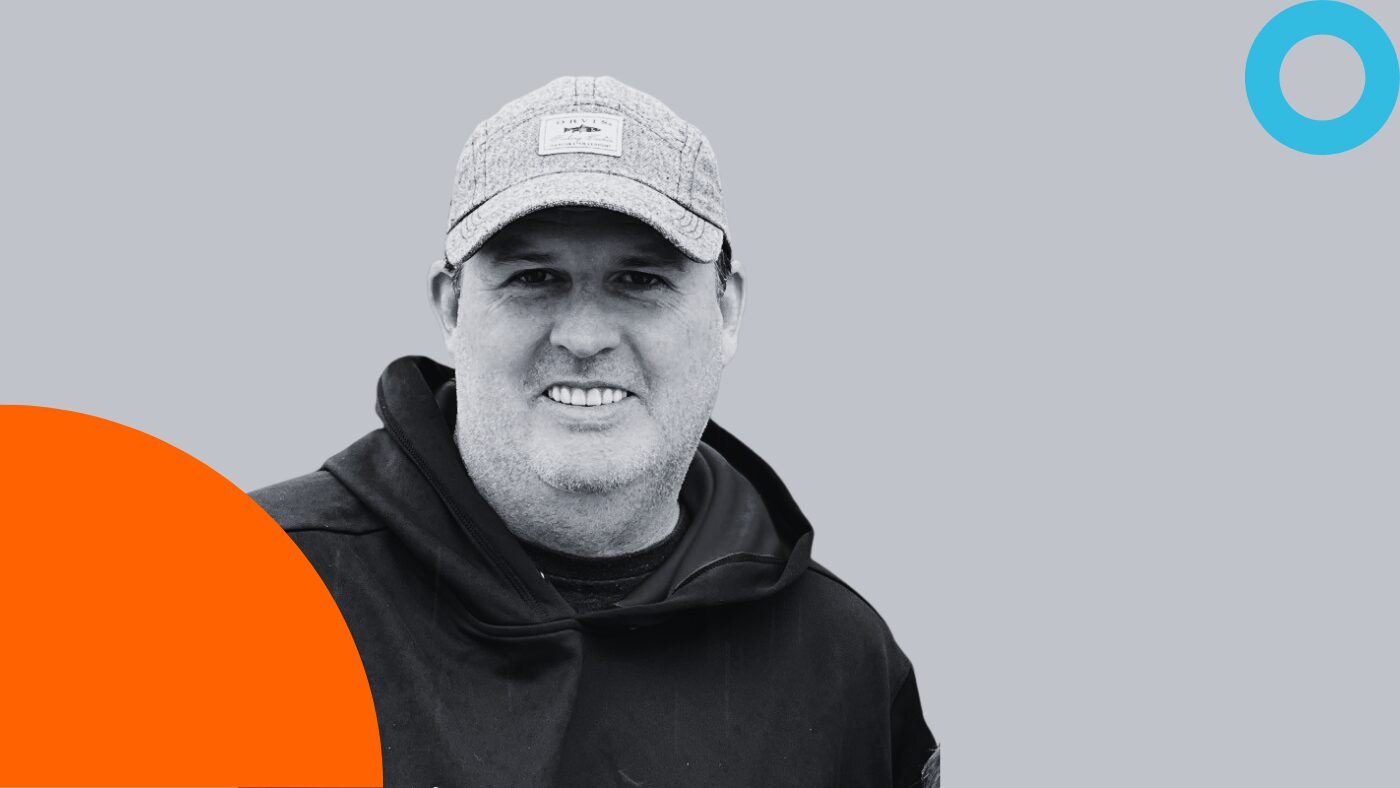
In this episode of the Charity Charge Show, Executive Director Hunter McIntosh breaks down how the model works, what “mission-based travel” actually means, and the lessons learned from running a nonprofit for decades without relying on traditional fundraising.
Show Notes
- The origin story behind the world’s only nonprofit cruise line
- How mission-based travel evolved from traditional ecotourism
- The Boat Company’s earned revenue model vs. donation reliance
- Partnerships with environmental organizations and local nonprofits
- What guests experience on small-ship conservation-focused trips
- Real-world impact, including $30M+ reinvested into conservation
- Leadership lessons from 30+ years in the nonprofit sector
- Advice for new nonprofit founders on funding, operations, and growth
What is The Boat Company and how did it get started?
Hunter McIntosh:
The Boat Company is the only nonprofit cruise line in the world, which surprises people because they usually associate cruise lines with for-profit businesses.
We started in 1979 as part of a family foundation. The goal was simple: bring major donors from environmental organizations like NRDC and Sierra Club to Southeast Alaska so they could see firsthand what was happening in the Tongass National Forest.
That idea turned into a full operation. We’ve been running week-long wilderness cruises ever since, focused on education, conservation, and immersion in nature.
How does the business model actually work?
Hunter McIntosh:
We operate more like a business than a traditional nonprofit.
We generate the majority of our revenue through ticket sales. Guests pay to come on these trips, and after covering operating costs, the remaining funds are reinvested into conservation work.
We do receive donations, but we don’t depend on them to survive. I like to say we’re a boutique cruise line with a nonprofit habit, not the other way around.
How do you partner with other organizations?
Hunter McIntosh:
We work closely with environmental groups like NRDC, Earthjustice, and others, especially on legal and legislative efforts to protect the Tongass.
We also support local nonprofits in Alaska. That includes trail restoration groups, science centers, and educational programs that serve both visitors and local communities.
It’s a mix of national advocacy and local, hands-on impact.
You mentioned “mission-based travel.” What does that mean?
Hunter McIntosh:
Ecotourism is a term that gets overused. Mission-based travel goes a step further.
It’s not just about seeing nature. It’s about understanding it and taking that knowledge home with you.
We want guests to leave with a deeper appreciation for conservation, not just in Alaska, but in their own communities.
What kind of experience do guests actually have?
Hunter McIntosh:
We run small ships, 20 to 24 guests, with expert naturalists onboard.
You’re not on a floating casino. You’re hiking, exploring, learning, and seeing wildlife up close. Eagles, whales, bears, glaciers.
One example. I’ve done the same hike dozens of times. I thought I was just eating blueberries along the way. Then a naturalist explained there are 10 different types of berries, and one tasted like watermelon. That kind of detail changes how you see the environment.
What impact has The Boat Company had over the years?
Hunter McIntosh:
We’ve reinvested more than $30 million into conservation work over the past four decades.
But the bigger impact is behavioral.
We see families come on these trips and leave with a completely different perspective. Kids go home and build science fair projects based on what they learned. People start paying attention to their local ecosystems in ways they didn’t before.
You’ve been doing this for decades. What lessons stand out for nonprofit leaders?
Hunter McIntosh:
First, don’t be afraid to ask for money. You’re going to hear “no” a lot. That’s part of the process.
Second, communicate constantly with your supporters. If someone gives you $1, tell them exactly how it was used.
Third, don’t be afraid to fail. You have to try things.
And finally, mentorship matters. Reach out to people who’ve done it before. Most are willing to help.
What advice would you give to someone starting a nonprofit today?
Hunter McIntosh:
Cast a wide net.
There are more tools available now than ever, including AI for research and outreach. But tools don’t replace persistence.
You have to keep asking, keep learning, and keep going. All it takes is one yes to change your trajectory.
How can people get involved?
Hunter McIntosh:
The easiest way is to visit our website or follow us on social media.
You can join a trip, support our work, or just learn more about what we do.
We’re always happy to connect with people who care about conservation and want to experience it firsthand.