Impaired driving is preventable. That is what makes its human cost so hard to accept. MADD CEO Stacey D. Stewart says crashes involving alcohol or other impairing substances still kill between 12,000 and 13,000 people in the United States each year.
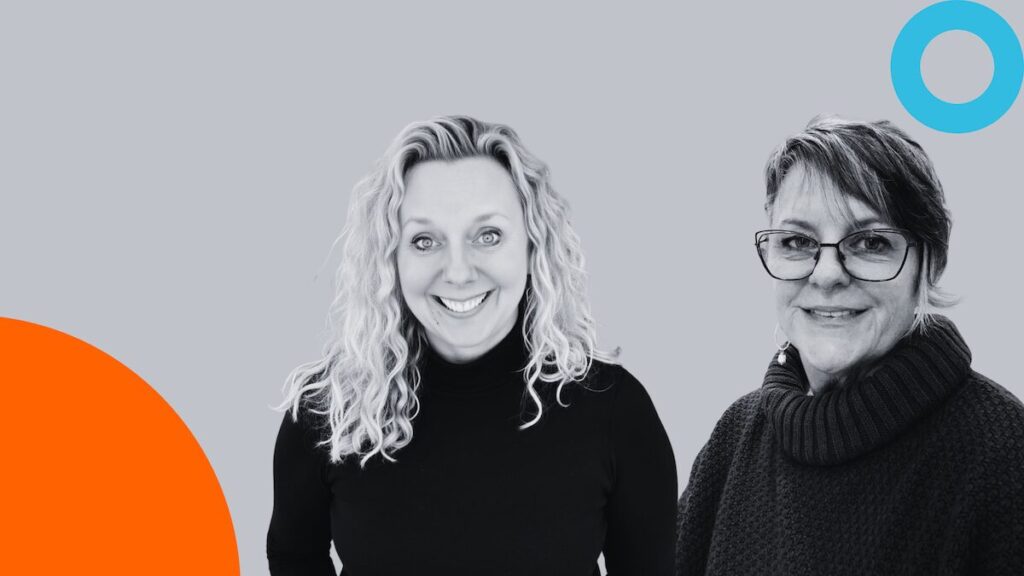
In episode 173 of The Charity Charge Show, host Stephen Garten speaks with Stacey D. Stewart, CEO of Mothers Against Drunk Driving, about the organization’s 45-year history, its push for anti-drunk-driving technology, and a broader shift toward addressing the mental health and substance use issues that can precede impaired driving.
Key Takeaways
- MADD’s policy work helped advance the national minimum drinking age of 21, the 0.08 blood alcohol concentration standard, stronger seat belt laws, and ignition interlock requirements.
- Stewart believes passive vehicle technology could prevent an impaired person from operating a car without requiring every sober driver to take an extra step.
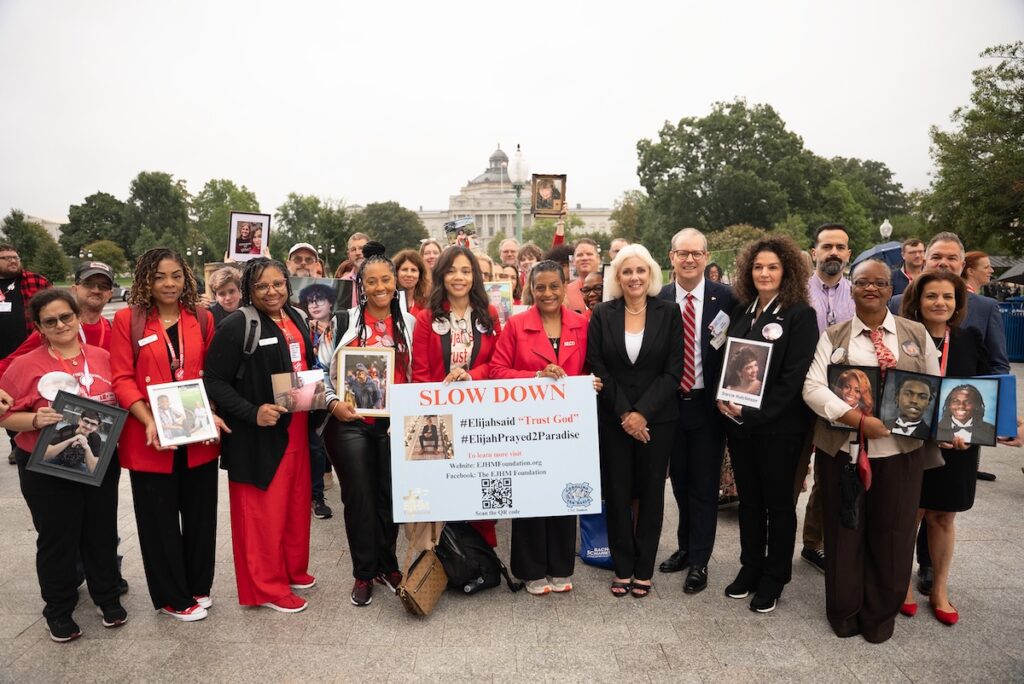
- Victims and survivors give MADD’s advocacy its power by showing lawmakers the human consequence behind proposed safety policies.
- MADD is looking farther upstream by connecting impaired driving prevention with mental health support and substance use treatment.
- MADD Sports uses teams, leagues, and college campuses to reach young people through a part of culture that already has their attention.
A Grassroots Movement That Changed Road Safety
MADD began after a mother lost her daughter in a drunk-driving crash in California. Her response to that grief became a national grassroots movement led by mothers, victims, survivors, and other loved ones who believed these crashes could be prevented.
Over the next 45 years, the organization helped move policies that many drivers now take for granted. Stewart points to the minimum drinking age of 21, the national 0.08 blood alcohol concentration standard, stronger seat belt laws, and ignition interlocks as examples of changes MADD fought to advance. MADD maintains a detailed history of its advocacy and milestones.
That history offers a useful lesson for nonprofit leaders. Laws that look obvious in hindsight rarely began that way. Someone had to organize the evidence, build public support, and keep showing up after the initial attention faded. Charity Charge’s guide to how nonprofit advocacy works explains the same basic pattern: lasting policy change requires education, relationships, and sustained pressure.
For MADD, the most persuasive voices often belong to people directly affected by impaired driving.
As Stewart puts it, “It’s really the voices of victims and survivors that power our ability to get legislative success.”
MADD supports those voices at both the state and federal levels. Current state efforts include stronger ignition interlock laws and, in some places, proposals to lower the legal blood alcohol concentration limit from 0.08 to 0.05. At the federal level, much of the organization’s attention is on vehicle technology.
Can the Car Prevent the Crash?
The biggest policy effort Stewart discusses is implementation of the HALT Act, a 2021 federal law requiring advanced impaired-driving prevention technology in new vehicles. MADD continues to advocate for full implementation of the HALT Act.
The idea is straightforward: a safety system would operate passively, without asking a sober driver to use a breathalyzer or complete another task. If the system detected that a driver was too impaired to operate the vehicle safely, the car could prevent operation.
Stewart compares the concept with technology already found in many vehicles. Lane-departure warnings can alert a driver who drifts, while driver-monitoring systems can detect when someone’s attention leaves the road. Impaired-driving prevention would extend the same basic principle: use the vehicle itself to reduce the chance that one dangerous decision becomes irreversible.
“The car can be the cure. Our cars can keep us safe, and can keep us safe when someone behind the wheel may not be able to make the right decisions for themselves because they’re struggling with mental health issues, substance use issues and other things.”
Stacey D. Stewart, Mothers Against Drunk Driving
Privacy questions still matter. Stewart acknowledges concerns about government surveillance, data collection, and the sale or sharing of driver information. Her position is that those are design and governance problems to solve, not reasons to abandon prevention. MADD argues that the technology should protect people without collecting, selling, or sharing personal data for unrelated purposes. The organization provides more detail on its advanced vehicle technology work.
That distinction matters for any nonprofit working near technology and public policy. Good intentions do not erase legitimate implementation concerns. Strong advocacy makes room for hard questions, then works through them without losing sight of the outcome.
Impaired Driving Starts Before Someone Enters a Car
Technology can interrupt a dangerous trip, but it cannot resolve the reason someone repeatedly drinks or uses drugs before driving. Stewart says MADD is paying more attention to those root causes.
She cites research discussed in the interview indicating that many people arrested for DUI have driven impaired dozens of times before their first arrest. She also notes that a large share of fatal crashes involve drivers well above the legal blood alcohol limit. Those patterns point to something more serious than a one-time lapse in judgment.
MADD is not a treatment provider, and Stewart is careful about that boundary. The organization can still help connect people and families with local mental health and substance use resources. That may matter when a parent calls because an adult child keeps drinking and driving, or when someone recognizes that their own behavior is getting out of control.
The pandemic made the connection harder to ignore. Stewart says impaired-driving fatalities rose 33% from 2019 to 2022, despite less driving during parts of the COVID-19 period. She connects that increase with reduced enforcement, rising anxiety and depression, and more self-medication at home.
For nonprofit leaders, the broader point is familiar: if you only address the final symptom, the system keeps producing the same crisis. Organizations working across health, public safety, and youth development need referral relationships, clear boundaries, and a shared understanding of who handles each part of the problem. Charity Charge’s overview of mental health nonprofits and support organizations offers a starting point for understanding that wider network.
Reaching Young People Through Sports
Awareness campaigns eventually age out. People who remember MADD visiting their high school understand the organization immediately. Younger audiences may know less about its history or assume rideshare services solved the problem.
MADD Sports is one answer. The program works with professional teams, leagues, colleges, universities, athletes, parents, and fans to discuss impaired driving, underage drinking, drug use, and mental wellness. Stewart describes a long-running partnership with the NFL as well as sessions with rookies and college football programs.
The channel makes sense. Sports shape identity and behavior long before many young people respond to a policy campaign. Athletes and teammates also have opportunities to notice when someone is struggling and step in before that person makes a dangerous decision.
Stewart’s advice is plain: if you plan to drink or use another impairing substance, make the transportation decision first. Arrange a rideshare, choose a sober driver, or stay where you are. The same warning applies to scooters, bicycles, and e-bikes. A backup plan made while sober is far more reliable than judgment tested after several drinks.
About Stacey D. Stewart
Stacey D. Stewart is CEO of Mothers Against Drunk Driving. She joined MADD after a career that included business school, investment banking, and leadership in the nonprofit sector. In this conversation, Stewart also shares a personal connection to road safety: her sister lived as a quadriplegic for 45 years after being a passenger in a crash caused by a drowsy driver.
At MADD, Stewart is leading work across public policy, victim and survivor engagement, vehicle technology, partnerships, youth outreach, and MADD Sports.
Listen to the Full Episode
Listen to the full conversation with Stacey D. Stewart to hear how MADD approaches policy change, technology, mental wellness, cross-sector partnerships, and the long work of keeping a 45-year-old mission relevant.
Listen to episode 173, follow The Charity Charge Show on Apple Podcasts or Spotify, and explore more conversations with nonprofit leaders on the Charity Charge podcast hub.
To support MADD by sharing your story, volunteering, donating, or joining its advocacy work, visit MADD’s ways to get involved.