Philanthropy often talks about impact. But impact can look very different depending on who holds the power.
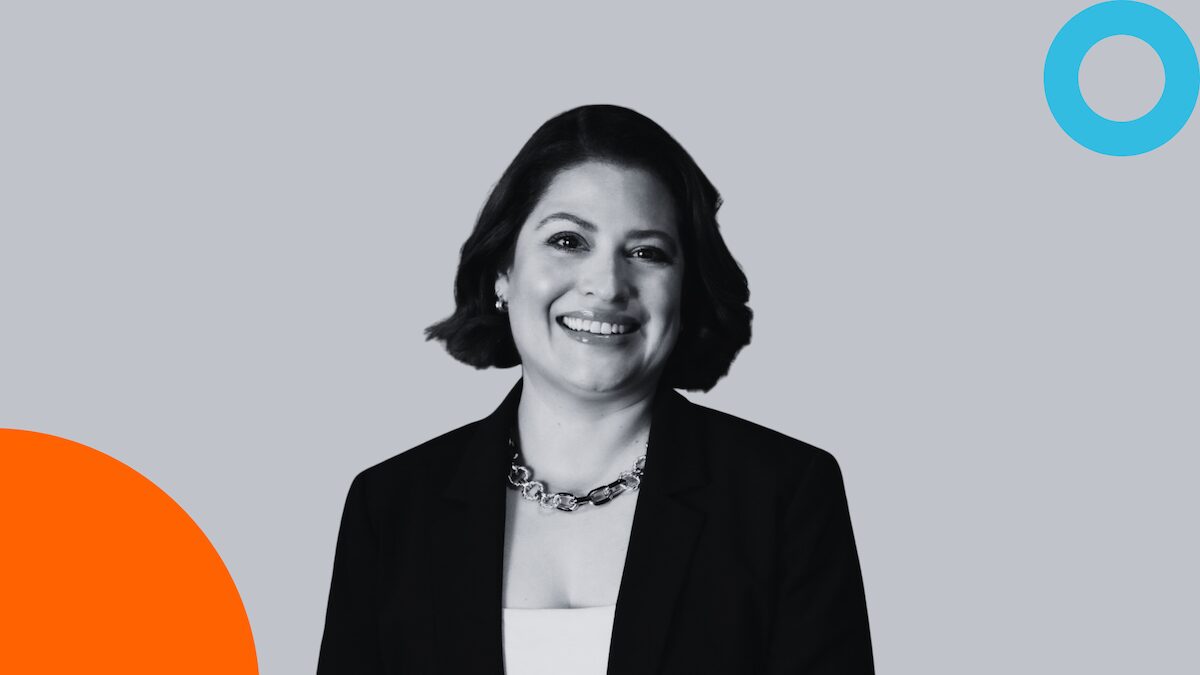
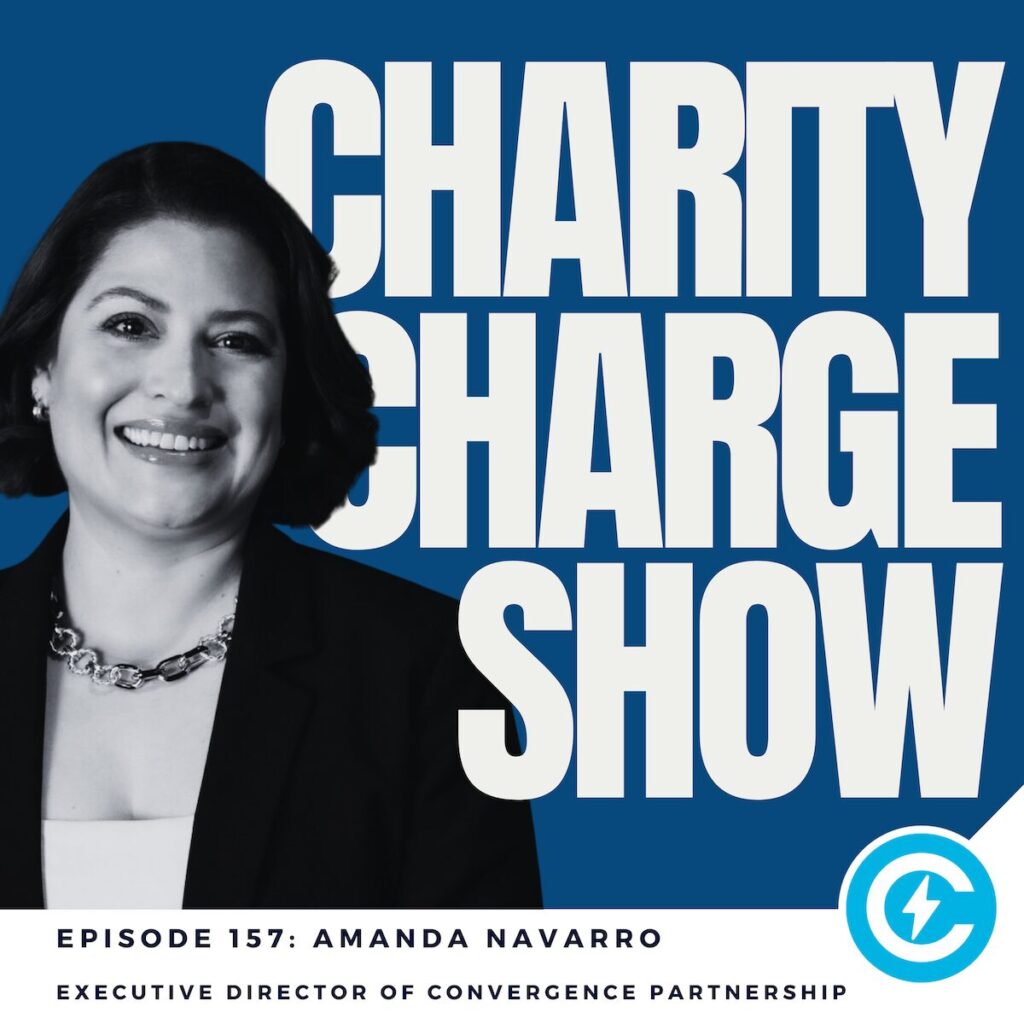
On a recent episode of The Charity Charge Show, we sat down with Amanda Navarro, Executive Director of Convergence Partnership, to discuss how the organization is reshaping how philanthropy works by shifting decision-making power to communities and frontline organizations.
Their approach challenges many traditional grantmaking norms, from eliminating competitive grant applications to replacing written reports with storytelling through podcasts.
Here is a closer look at how Convergence Partnership is working to advance health equity across the United States.
Overview
What Is Convergence Partnership?
Convergence Partnership is a national funder collaborative and intermediary that brings together philanthropic funders and community-based organizations to advance racial justice, health equity, and community well-being.
Founded in 2007 by five philanthropic foundations, the organization began as a collaboration to address a major national issue at the time: childhood obesity.
Over the past 18 years, Convergence Partnership has evolved into a platform where national funders, local foundations, and frontline organizations work together to design and fund strategies that improve community health outcomes.
Rather than operating as a traditional grantmaking organization, Convergence acts as a connector and facilitator between funders and the communities they aim to support.
Why Collaborative Philanthropy Matters
Many philanthropic organizations operate independently, each pursuing its own strategy.
Convergence Partnership was built on a different idea.
What if foundations worked together instead of separately?
By pooling resources and aligning strategies, funders can:
- Share knowledge about what is working on the ground
- Invest in larger, more coordinated initiatives
- Reduce duplication of efforts
- Amplify impact across communities
The collaborative also creates a space where national foundations can hear directly from local organizations, while smaller regional funders gain access to broader national strategies and resources.
This cross-level collaboration helps ensure that funding decisions are informed by real community needs.
A Major Shift: Moving Decision-Making to Communities
Around 2016, Convergence Partnership reached a turning point.
After a decade of work, the organization began asking a key question:
How should philanthropy evolve to better support communities?
The answer led to a significant shift.
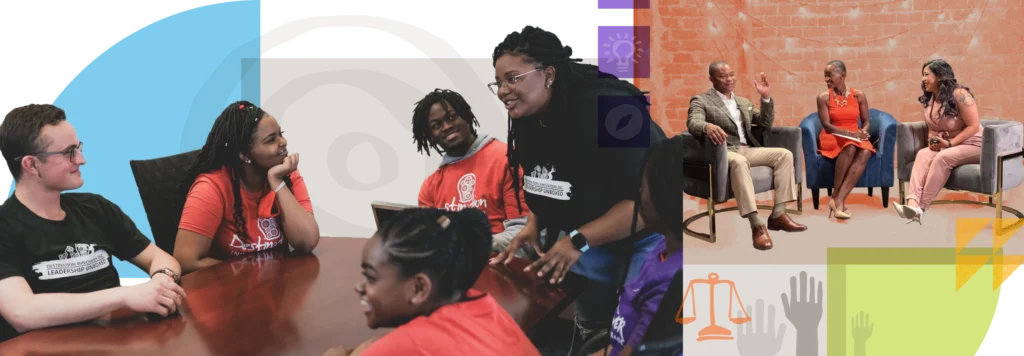
Rather than having funders control grantmaking decisions, Convergence began transferring decision-making power to the communities themselves.
This meant frontline organizations could:
- Help determine funding priorities
- Decide how resources should be used
- Shape the strategies that would affect their communities
For many foundations, this shift required letting go of traditional control mechanisms.
But for Convergence Partnership, the change was necessary.
Communities closest to the challenges, Navarro explains, are often best positioned to design effective solutions.
Eliminating the Traditional Grant Application Process
One of the most unconventional decisions Convergence Partnership made was to eliminate the Request for Proposal (RFP) process entirely.
Most grantmaking organizations rely on competitive RFPs where nonprofits submit detailed proposals for funding.
Convergence took a different approach.
Instead of asking organizations to compete for funding, the team focused on relationship-based grantmaking.
That meant:
- Engaging local foundations already connected to community organizations
- Having direct conversations with grassroots leaders
- Identifying organizations that had historically been overlooked by traditional funding channels
Many of the groups they supported had never received major philanthropic funding before.
According to Navarro, these organizations were often deeply embedded in their communities but lacked the time and resources to navigate complex grant applications.
Trust-Based Philanthropy in Practice
Removing the RFP process was just the beginning.
Convergence Partnership also adopted a trust-based approach to grantmaking, which included several major changes.
1. No Competitive Grant Applications
Funding decisions are based on relationships, local knowledge, and community priorities rather than competitive proposals.
2. No Traditional Grant Reports
Instead of requiring long written reports, grantees share their stories through a podcast platform.
3. Flexible Funding
Organizations are trusted to use funds where they are most needed, without rigid restrictions.
These practices aim to reduce administrative burden on nonprofits and allow them to focus on the work that matters most.
Replacing Grant Reports With Podcast Storytelling
One of Convergence Partnership’s most innovative ideas was replacing written grant reports with podcast storytelling.
Instead of submitting lengthy narrative reports, funded organizations are invited to share their work through the Convergence Partnership podcast.
The podcast format allows grantees to:
- Tell their stories in their own words
- Share real challenges and lessons learned
- Highlight the impact happening in their communities
It also creates valuable content the organizations can use for outreach, fundraising, and advocacy.
Rather than extracting information from nonprofits, Convergence aims to create value for them while documenting impact.
Measuring Impact Without Heavy Reporting
A common concern with trust-based philanthropy is accountability.
If there are fewer reporting requirements, how do funders measure impact?
Convergence Partnership addresses this through collaborative learning rather than compliance-based reporting.
The organization works closely with both funders and community leaders to interpret results and understand what success looks like in different contexts.
Rather than imposing external metrics, they encourage communities to define their own indicators of success.
This approach recognizes that building community power, civic participation, and narrative change can be both the process and the outcome of the work.
A Real-World Example: Transforming Philanthropy in Kansas
One example Navarro shared during the podcast highlights how the model can create lasting change.
In Kansas, Convergence partnered with a regional foundation to support grassroots organizing infrastructure.
The state historically had very few organizations focused on community advocacy and organizing.
Through Convergence’s collaborative approach, four local organizations received funding and support.
Those investments helped demonstrate the power of community-driven philanthropy.
As a result, the regional foundation launched a new statewide initiative called the Building Power and Equity Partnership, committing $30 million over 10 years to support 30 organizations with multi-year unrestricted funding.
According to Navarro, the foundation has said that this initiative likely would not have happened without its participation in Convergence Partnership.
The Role of Narrative Change in Philanthropy
Beyond funding strategies, Navarro emphasizes the importance of changing the narratives surrounding nonprofits.
Many harmful assumptions still exist about the nonprofit sector, such as:
- Nonprofits are inefficient
- Leaders are overpaid
- Organizations should be able to do more with less
These narratives influence how funding decisions are made and can limit long-term sustainability for nonprofit organizations.
Convergence Partnership works to shift those narratives toward a different mindset.
One rooted in abundance, trust, and long-term investment in community leadership.
How Foundations Can Begin Shifting Their Approach
For funders interested in adopting similar practices, Navarro recommends starting with internal reflection.
Philanthropic organizations should examine:
- Their assumptions about nonprofit capacity
- The level of administrative burden placed on grantees
- Whether their processes reinforce inequities
Small changes, such as simplifying applications, providing unrestricted funding, or engaging more directly with communities, can begin moving organizations toward a more trust-based model.
Podcast Q&A Transcript
Q: What is Convergence Partnership and what role does it play in philanthropy?
Amanda Navarro:
Convergence Partnership is a national funder collaborative and intermediary that brings together foundations, funders, and community organizations working to advance racial justice, health equity, and community well-being.
The organization was founded nearly two decades ago. Today it works alongside local, regional, and national funders as well as grassroots organizations across the country. The goal is to support organizations that are transforming systems so communities can be healthier, more inclusive, and more equitable.
A big part of the work involves exploring how power operates in philanthropy and asking how that power can be shared more equitably with the communities most affected by the issues.
Q: What does it mean to be a “funder collaborative”?
Amanda Navarro:
The collaborative started in 2007 when five philanthropic foundations came together to address childhood obesity, which was becoming a major national issue.
Those funders believed something important. They believed philanthropy could achieve far more if foundations worked together instead of operating independently.
So rather than each foundation creating its own initiative, they pooled knowledge and resources to co-design strategies and co-invest in solutions that could move the needle on health equity and racial justice.
Over time, the collaborative has expanded to include a wide range of national and local philanthropic partners.
Q: How has Convergence Partnership evolved over the past 18 years?
Amanda Navarro:
In the early years, funders played a very direct role in shaping the strategy and funding decisions.
But around the 10-year mark, the organization began asking an important question: how should Convergence evolve to better meet the moment?
That reflection led to a major shift.
The collaborative realized that if they truly wanted to advance equity, they needed to shift decision-making power away from funders and toward the communities doing the work.
As a result, they redesigned their grantmaking strategy so that frontline organizations could help determine funding priorities, how resources should be used, and who should receive funding.
Q: How did funders react to the idea of giving communities more control over funding decisions?
Amanda Navarro:
The response was largely supportive. Many funders already recognized that communities needed to be in the driver’s seat.
But the conversations were still important because this shift required institutions to rethink how they approached control and accountability.
Not every organization felt comfortable with the change. Some chose to step away.
However, those that stayed leaned into the idea of participatory philanthropy and became committed to shifting power toward communities.
For them, it was the logical next step if they wanted to create meaningful impact.
Q: Convergence removed the traditional grant application process. Why?
Amanda Navarro:
Traditional philanthropy relies heavily on competitive Requests for Proposals (RFPs).
But Convergence Partnership wanted to try something different.
Instead of requiring organizations to compete for funding through lengthy proposals, they focused on building relationships and having conversations with local funders who already understood their communities.
Those local partners helped identify grassroots organizations doing important work that had historically been overlooked or underfunded.
By removing the RFP process, the collaborative could invest in organizations that might never have applied for traditional grants but were deeply embedded in their communities.
Q: What challenges came with removing the RFP process?
Amanda Navarro:
One challenge was identifying grassroots organizations that had never been connected to traditional funding networks.
Sometimes funders say they cannot find organizations doing this kind of work.
But often the issue is not that the organizations do not exist. The issue is that funders have not built relationships with them.
So the collaborative had to do intentional work to uncover organizations that had been historically excluded from funding opportunities.
That process required trust-building and a willingness to look beyond the usual list of long-time grantees.
Q: How did nonprofits respond when they were offered funding without the usual reporting requirements?
Amanda Navarro:
The reactions were surprising and revealing.
Some organizations were genuinely confused at first.
They asked questions like, “You’re just giving us funding without strings attached? Are you sure?”
That reaction revealed how deeply ingrained traditional philanthropic practices have become. Many nonprofits are used to spending enormous amounts of time writing proposals and reports for relatively small grants.
Convergence Partnership wanted to shift that dynamic by approaching organizations with trust and respect for their expertise.
Q: Without traditional reports, how do you track impact?
Amanda Navarro:
Instead of requiring lengthy narrative reports, Convergence Partnership created a podcast platform where grantees share their stories.
The podcast allows organizations to talk about their work in their own voice. They can describe the challenges they face and the impact they are creating in their communities.
This approach creates something valuable for the organizations themselves. They can use those episodes as storytelling tools to share with other funders and audiences.
The goal is to create value for nonprofits rather than extract information from them.
Q: How does the collaborative measure success if metrics are not imposed by funders?
Amanda Navarro:
Measuring success has become a learning process.
Instead of imposing top-down metrics, Convergence works with communities to understand what success looks like from their perspective.
Many of the outcomes involve building community power, strengthening local leadership, and amplifying civic and narrative power.
Those outcomes may not always fit neatly into traditional grant metrics, but they are essential for long-term systemic change.
Q: Can you share an example of this model creating real change?
Amanda Navarro:
One example comes from Kansas.
Convergence worked with a regional foundation there to support grassroots organizing infrastructure. At the time, the state had very few organizations focused on community advocacy and organizing.
Through the partnership, four organizations received funding and support.
The lessons from that work inspired the foundation to launch a major statewide initiative called the Building Power and Equity Partnership.
That program is a 10-year, $30 million investment supporting 30 organizations with multi-year unrestricted funding.
The foundation has said that without participating in Convergence Partnership, they likely would not have taken that step.
Q: You talk a lot about narrative change. Why does that matter for philanthropy?
Amanda Navarro:
Narratives shape how people think about nonprofits and philanthropy.
There are many damaging narratives in the sector. For example:
- Nonprofits are inefficient
- Nonprofit leaders are overpaid
- Organizations should be able to accomplish huge outcomes with very little funding
These narratives influence how resources are distributed and how nonprofits are treated.
If philanthropy wants to support long-term social change, it must also change the stories it tells about nonprofit organizations.
We need narratives rooted in abundance, dignity, and trust.
Q: What advice would you give to foundations that want to adopt a similar approach?
Amanda Navarro:
The first step is introspection.
Foundations should examine their own practices and ask whether those practices create barriers or harm for nonprofit partners.
They should also question the assumptions they hold about nonprofit organizations.
When funders truly view community organizations as partners, their actions should reflect that partnership. That means reducing administrative burden, trusting community leadership, and investing in long-term relationships.
Q: How can organizations get involved with Convergence Partnership?
Amanda Navarro:
We encourage people to visit convergencepartnership.org and connect with our team.
We are currently designing the next phase of our national investments covering the period from 2027 to 2032.
We are looking for funders and partners who want to work together to strengthen civic, economic, and narrative power in communities across the country.