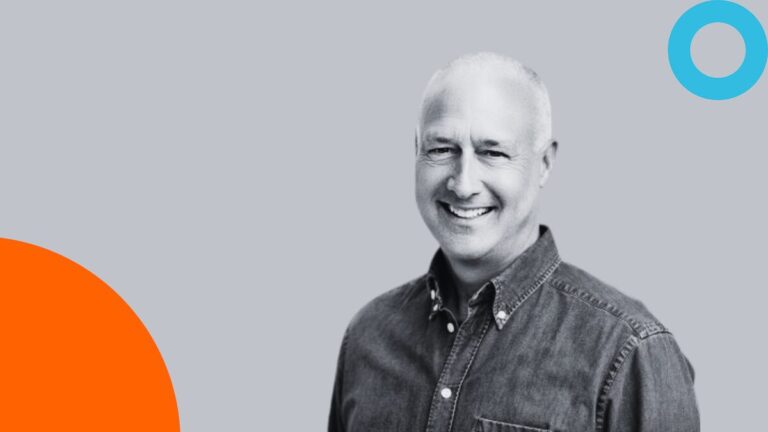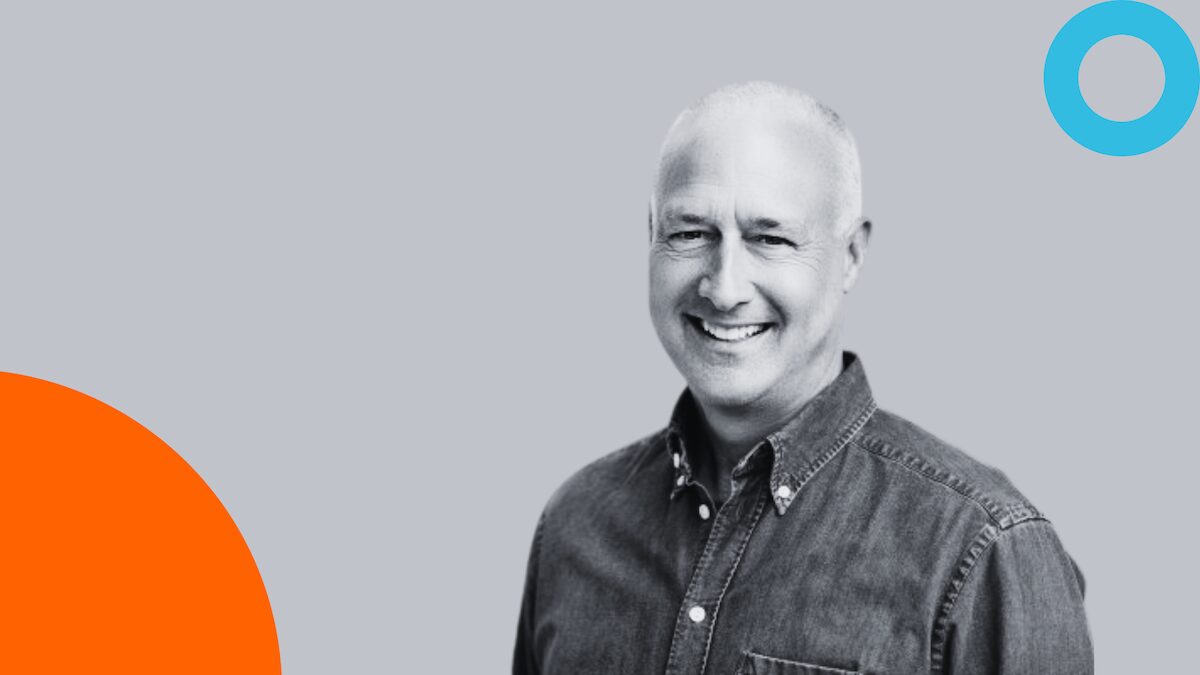
The strongest nonprofit innovation strategy starts with a simple question: what do you have that others need? For John Cochrane, President and CEO of HumanGood, the answer was direct access to thousands of older adults, and it turned his senior living nonprofit into a research partner, a startup advisor, and a venture investor. On the Charity Charge Show, which speaks with nonprofit leaders about the operational decisions behind growth, Cochrane explained how a century-old organization keeps reinventing itself.
Quick Summary
- HumanGood operates 23 life plan communities and more than 100 affordable housing communities across nine states.
- Cochrane frames the organization’s mission around healthspan: the years people live healthy and independent, not just alive.
- HumanGood invested in an outside venture fund after realizing it was giving early-stage aging-tech companies valuable customer access for free.
- A partnership with the Buck Institute for Research on Aging moves research “from lab to life” by pairing world-class science with a real delivery system.
- Cochrane’s leadership rule for nonprofits: you do not have to be the best at everything, you have to be the best at identifying the best.
What does HumanGood do?
HumanGood is a nonprofit focused on helping people age well, serving both ends of the economic spectrum. According to HumanGood, it runs 23 life plan communities (also called continuing care retirement communities) and more than 100 affordable housing communities across nine states, serving more than 13,000 residents with nearly 6,000 team members.
Its life plan communities combine independent living, assisted living, skilled nursing, and memory support on one campus. In its affordable housing portfolio, HumanGood does not deliver services directly. On-site service coordinators connect very low-income residents to outside resources such as Meals on Wheels, county mental health services, and veterans’ benefits.
Cochrane said the organization is now extending beyond its physical buildings, using technology to reach older adults who do not live in a HumanGood community at all.
What is the difference between healthspan and lifespan?
Lifespan is how long you live; healthspan is how long you live healthy, independent, and on your own terms. Cochrane argued that the twentieth century was remarkably good at adding years to life, but healthspan did not keep pace, which leaves a widening gap of years spent in declining health.
HumanGood’s mantra, in Cochrane’s words, is “more good years for more people.” Closing that gap is the organizational strategy, not a side program.
He also pointed to a shift in what older adults expect. People in their sixties now plan for 20 to 30 more years of life. That changes the question from “who will care for me when I am frail” to “how do I make those decades meaningful and connected.” Cochrane describes the industry moving from a care-and-custody model to a lifestyle model, and says there is “no more accidental aging.”
How does HumanGood approach healthy aging?
HumanGood pairs low-tech interventions with high-tech personalization. Cochrane calls it a high-low approach.
The low end is deliberately simple: grip strength training, sit-to-stand tests, and basic movement work. These are low-cost, low-intervention practices that Cochrane says make a significant difference in how people age.
The high end uses advances in the biology of aging, personal health data, and large population data sets to tailor interventions by age and genetics. What a 65-year-old should do differs from what a 40-year-old or an 85-year-old should do, and the high-tech side helps decide that and track the outcomes.
Why would a nonprofit invest in a venture fund?
A nonprofit should consider venture investing when it is already giving startups something valuable, such as customer access or operating expertise, without sharing in the upside. That is exactly the situation HumanGood found itself in.
Early-stage aging-tech companies kept approaching HumanGood. Cochrane said they understood the problem and the technology, but not the customer. HumanGood did. Its residents live in its communities every day, which gave the organization a rare combination of knowledge, data, and access.
Staff were spending significant time helping these startups reach product-market fit. Cochrane went to his senior team with a blunt point: if HumanGood is going to invest this much effort, it should share in the success. The result was an investment in a venture fund run by an outside manager. Cochrane was careful to clarify that HumanGood did not start the fund; it is an investor in someone else’s fund.
The benefits run three ways, according to Cochrane:
- HumanGood captures financial value from expertise it was already giving away.
- Residents get products shaped around their cohort’s real needs.
- Startups get customer insight they could not buy elsewhere.
He also named a less obvious payoff: the fund built a culture of innovation inside the organization, with staff consistently looking for better tools and partners.
For nonprofit finance leaders, the takeaway is not “start a venture fund.” It is to audit where your organization is subsidizing someone else’s growth, and decide deliberately whether a formal partnership, licensing arrangement, or investment would better reflect the value you provide. Any such arrangement deserves review by legal counsel and your board, including questions about unrelated business income and investment policy.
How can nonprofits partner with research institutions?
Nonprofits can partner with research institutions by offering the one thing researchers often lack: a path to real people. HumanGood’s partnership with the Buck Institute for Research on Aging is the model Cochrane described.
The Buck Institute focuses on the biology of aging. Cochrane said HumanGood approached Buck without knowing whether it would get a response, and found a partner that wanted its research applied, not just published. HumanGood solved Buck’s “last mile” problem: getting research from lab to life. Buck gave HumanGood scientific depth it will never build in-house.
Cochrane’s advice to other leaders is to ask who in your space would bring something meaningful to you, and to whom you would bring something meaningful in return. Mutual value is the test.
Why collaboration matters for small nonprofits
Collaboration is the most practical growth lever for most nonprofits because most nonprofits are small. According to the National Council of Nonprofits, 92 percent of nonprofits operate with less than $1 million a year.
Stephen Garten made the point directly on the show: the path out of that band is collaboration, not a scarcity mindset. Cochrane agreed and described HumanGood’s own shift. The organization used to run every service and program in-house. It now looks for best-in-class partners, and Cochrane summarized the change in one line: “We need to be the best at identifying the best.”
What does “innovate or die” mean for nonprofit leaders?
“Innovate or die” means that if an organization does not disrupt itself, the market will do it instead. Cochrane credited the phrase to Roone Arledge, the television executive behind ABC’s Wide World of Sports, and said success can become a tether to the past that discourages the risk-taking growth requires.
When a friend told Cochrane it must be a hard time to run a nonprofit, his reply was that it is always a hard time to be in business. Challenges are constant. The leaders who do well skate to where the puck is going, even when it means swapping out parts of an engine that still runs.
Career advice: bring your passion, do not wait to find it
Cochrane’s career advice is to bring your passion to meaningful work rather than wait to discover a perfect calling. His own path proves the point. He was a lawyer in Chicago who flew to Baltimore to land retirement community developer John Erickson as a client. After touring a community of about 2,000 independent living residents, he asked Erickson for a job instead.
He said he took an 80 percent pay cut, sold his home, and moved into Erickson’s spare bedroom. Thirty years later, he says he has never been more excited about the field.
Garten coined a phrase for that idea during the conversation: career span. Just as healthspan measures good years of life, career span measures years of purposeful, engaged work. Cochrane expects more people to work past traditional retirement ages, some from necessity but many from purpose. His closing advice: stay in the game, stay in the arena.
Three Takeaways
- Price your advantage. If partners rely on your access, data, or expertise, decide deliberately whether to formalize that value instead of giving it away.
- Partner for mutual value. The best collaborations solve a problem for both sides, the way HumanGood solved Buck’s last-mile problem and Buck filled HumanGood’s research gap.
- Disrupt yourself first. Success can anchor an organization to the past. Build a habit of testing new models before the market forces the issue.
Running a nonprofit that is rethinking how it operates? See how Charity Charge gives nonprofit finance teams spend control, real-time visibility, and audit-ready records in one platform.
Podcast Transcript Q&A
Stephen Garten: Share with our audience about the organization you lead. You’ve been president and CEO of HumanGood for more than seventeen years.
John Cochrane: HumanGood has existed in one form or another for over a hundred years, and we are focused on helping people age well. We have 23 continuing care retirement communities across nine states, with independent living, assisted living, skilled nursing, and memory support on one campus. At the other end of the spectrum, we have more than 100 low-income housing properties for seniors. There, we provide service coordination: coordinators on site who help residents connect to Meals on Wheels, county mental health services, or veterans’ benefits they may not know how to access. Increasingly, we are deploying technology to reach people outside our walls too.
Stephen Garten: I think of my great-grandmother Florence, who lived to 102 in a nursing home in Baltimore. It was probably a pretty vanilla experience. How are you bringing new innovations and a better experience, especially with the movement around longevity?
John Cochrane: We’re moving away from a care-and-custody model to a lifestyle model. The fastest-growing segment of the population globally is people 75 and older. But what makes this generation different is that it expects to live to 90 or 95. If you’re 65, like me, you might have 25 or 30 years ahead. The question is no longer who will care for me when I’m frail. It’s how I make those years meaningful, joyful, purposeful, and connected. Our mantra is more good years for more people. There’s no more accidental aging. People are aging with intention.
Stephen Garten: At 40, I’d never heard the word healthspan until a few years ago. I do mobility training with a personal trainer now. What technologies and trends are you using, and why did you start an investment fund?
John Cochrane: In the 20th century we added about 30 years to average lifespan. But healthspan, the years we spend healthy and independent, didn’t keep pace. Our focus is closing that gap. We take a high-low approach. The low end is grip strength training, sit-stand tests, simple movement exercises. The high end uses breakthroughs in the science of aging and large data sets to inform what someone should be doing at 40, 65, or 85.
Early-stage companies kept bringing us promising technologies. They understood the problem and the technology, but not the customer. We do. More than 15,000 people live in our communities. We were spending significant time helping these startups find product-market fit, so I told our senior team that if we’re giving away something this valuable, we should partner in the success. We didn’t start the fund; we’re an investor in an outsider’s fund. It lets us invest in these companies, help shape products for our residents, and it has built a culture of innovation inside the company.
Stephen Garten: So many nonprofits are stuck in the way they’ve always done things. A friend told you it must be tough to run a nonprofit right now. Add some color to that.
John Cochrane: It’s always a difficult time to be in business. There are always challenges. That’s what makes it interesting. Any successful organization can get wedded to success, and success can become a tether to the past that keeps you from taking risks. Roone Arledge, who ran ABC’s Wide World of Sports, had a phrase: innovate or die. If we don’t disrupt ourselves, the market will disrupt us. You have to skate to where the puck is going.
We used to do everything in-house. One of our biggest changes is moving to a collaborative model with best-in-class partners. We don’t have to be the best at everything. We need to be the best at identifying the best. Don’t be afraid to collaborate or to move outside your walls to increase your impact.
Stephen Garten: About 92 percent of nonprofits are under a million dollars in revenue. The way to grow out of that is collaboration, not scarcity. Beyond startups, how has HumanGood collaborated with other nonprofits, foundations, or institutions?
John Cochrane: We partner with the Buck Institute, which researches the biology of aging. We approached them not knowing if they’d respond, and they were very receptive. They do world-class research, but they want it applied. What they didn’t have was a path to the consumer. We solved their last-mile problem: getting research from lab to life. They solve something for us, because we will never be a research organization. My advice to nonprofit leaders is to know your unique value proposition and ask who in your space would bring something meaningful to you, and to whom you’d bring something meaningful in return.
Stephen Garten: For listeners thinking about a career path or running a nonprofit someday, what advice would you give, and what have you learned is more important than career?
John Cochrane: I got into this field by accident. I was a lawyer in Chicago and flew to Baltimore to land John Erickson, who built Erickson retirement communities, as a client. We walked through a community with 2,000 people in independent living. It was like a mini city, and I fell in love with it. John told me he could find lawyers on any street corner; he needed people to move the mission forward. I said if you have a place for me, I’d love to work for you. I took an 80 percent salary cut, sold our home, and moved into John’s spare bedroom. Be open to change, be willing to take a risk, and work hard. I’ve been doing this 30 years, and I’ve never been more excited than I am today.
Stephen Garten: We talk about lifespan. What you’re describing is a career span.
John Cochrane: I’m not working just to put a roof over my head. I’m working out of purpose. We’ll see more people working past traditional retirement ages, some from necessity but many from purpose. Most people don’t want to spend 25 years playing golf. If you’re doing something you love that makes an impact, don’t stop. Stay in the arena.
Stephen Garten: Out of college I wanted purpose but was scared to try things because I didn’t know what the perfect fit was. You employ about six thousand people. How do you see the youngest generation approaching work?
John Cochrane: We sometimes think there’s a magic career that ticks every box. When I talk to young people, my advice isn’t to find your passion. It’s to bring your passion. Show up somewhere you think will have a positive impact, bring your talents, and go all in. When you do, you’re no longer tethered to external validation. The payoff comes from knowing you gave your best. I love watching team members come in for a job, realize they have a career, and start moving around the company.
Stephen Garten: How can people get involved with or support HumanGood?
John Cochrane: We’re open to talking to anyone interested in vibrant aging, longevity, and healthspan. Learn about us at humangood.org, or reach me on LinkedIn. If what we’re doing sparks your own idea to contribute somewhere else, that’s fabulous too.
FAQs for this Episode
A nonprofit innovation strategy is a deliberate plan to test new models, partners, and revenue sources instead of protecting what already works. It typically starts by identifying the organization’s unique advantages, then finding partners who need them and structuring arrangements that create value for both sides.
Lifespan is the total number of years a person lives, while healthspan is the number of years lived in good health and independence. Aging-focused organizations like HumanGood aim to close the gap between the two so people gain more healthy years, not just more years.
Yes, a nonprofit can invest in a venture fund if the investment fits its investment policy and is approved through proper governance. HumanGood, for example, invested in an outside manager’s fund to back aging-tech startups it was already advising. Boards should review these decisions with legal and tax counsel.
Nonprofits can partner with research institutions by offering access to the people and settings where research gets applied. HumanGood partnered with the Buck Institute for Research on Aging, giving researchers a path from lab to real-world use while gaining scientific expertise it would never build internally.
Collaboration lets small nonprofits extend their reach without building every capability themselves. According to the National Council of Nonprofits, 92 percent of nonprofits operate on less than $1 million a year, so partnering with specialists is often the most efficient way to grow impact.
“Innovate or die” means that organizations which fail to change their own models will eventually be disrupted by others. For nonprofits, it means questioning programs that still work, testing new approaches, and treating past success as a starting point rather than a reason to stop adapting.