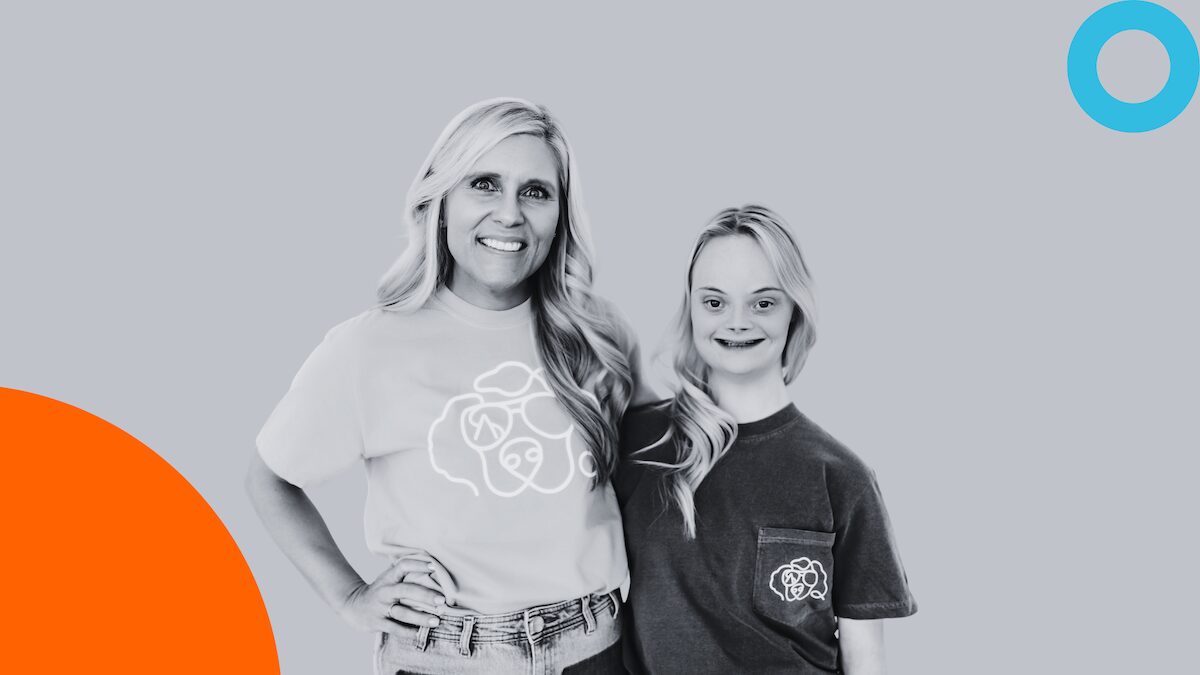
Laura Hope Whitaker took over Extra Special People (ESP) as a college sophomore. The organization had a $125,000 budget, a $50,000 deficit, and a founder who had just passed away from pancreatic cancer. Twenty-one years later, ESP runs a $8 million budget across five communities in Georgia and North Carolina, employs 50 full-time and 200 part-time staff, and operates a social enterprise that employs 85 adults with developmental disabilities.
In this episode of the Charity Charge Show, host Stephen Garten sits down with Laura to talk through what it actually takes to scale a nonprofit, why “nonprofit is just a tax code,” and the leadership principles she documents in her new book, The Joy Exchange.
Quick Summary
- ESP serves people with disabilities through afterschool programs, family support, and a social enterprise called JavaJoy.
- Laura took over as a sophomore in college after the founder died, inheriting a deficit and four board members (one of whom was in jail).
- Her core growth framework: treat the nonprofit like a business, know the numbers, and be unapologetic about fundraising.
- Board management is a strategic function, not an obligation. Boards should evolve as the organization evolves.
- Mentorship and continuous learning have been the constant throughout 21 years of leadership.
What Extra Special People Does (and Why It Exists)
Extra Special People exists to create transformative experiences for people with disabilities and their families. In the US, 1 in 5 adults and 1 in 13 children live with a disability. Despite those numbers, community belonging for people with significant support needs remains genuinely scarce.
ESP addresses this through three program pillars: Experiences (afterschool programs and weekend events), family wraparound support, and Purpose (employment through the JavaJoy mobile coffee cart social enterprise). The model creates community integration, not just service delivery. Volunteers, corporations, college students, and local businesses all participate alongside people with disabilities.

Taking the Helm at 19 with a $50K Deficit
Laura started volunteering at ESP as a freshman at the University of Georgia. When founder Martha was diagnosed with pancreatic cancer, she passed away within six months. Laura, then a sophomore, stepped into the executive director role.
The first board she inherited had four members. One was in jail for embezzling from another nonprofit. One had just lost a child. The remaining two stuck around, one of whom taught Laura QuickBooks for the first time. The board met once a year.
From that starting point, she raised enough to cover the deficit, finish her sophomore year, and run summer camp. The first principle she internalized: money is oxygen. Raise money, hire people, serve more people. Everything flows from that chain.
Why “Nonprofit Is Just a Tax Code”
One of the clearest things Laura says in this conversation is that the nonprofit label creates a harmful mask for many organizations. Mission-driven leaders sometimes use it to avoid operating discipline: tracking numbers, managing performance, letting people go.
Her frame is direct: treat the organization like a business because the people you serve deserve that standard. Know your budget. Track your metrics. Fundraise without apology. Donors with wealth got there by being businesspeople, and they respond to business conversations: ROI, stewardship, clear outcomes.
How ESP Scaled to Five Communities
Growth came from demand, not ambition. ESP had a waitlist of families from other cities asking them to expand. During COVID, ESP stayed open and ran six smaller campuses simultaneously to provide respite for families whose children couldn’t participate in remote learning. That summer taught them the operational systems needed to run in multiple locations at once.
Today ESP operates in:
- Athens, GA (original, 900+ members)
- Rome, GA (Northwest corridor)
- Atlanta, GA
- Savannah, GA (South coastal)
- Piedmont Triad, NC (launching now)
Each community has its own executive director, local champion board, and separate budget under a single 501(c)(3). One lesson from expansion: the ED who inherits a pre-existing champion board needs real authority to reshape it. ESP now builds that expectation in from the start.
Board Management as a Strategic Function
The board you have should match the stage your organization is in. Laura’s boards have looked very different across the 21 years of ESP’s growth. Early on, she needed parents with personal stakes in survival. Five years in, the organization needed business acumen. Before a capital campaign, it needed connectors and major donor access.
Her current philosophy: choose who the work is. If a board member isn’t growing with the organization, have the direct conversation. They should either become an active contributor in a different capacity or move on. Board members who aren’t performing should become donors or volunteers.
Her advice for any leader stepping into an inherited role: interview the board before taking the job, and negotiate a transition plan as a condition of acceptance.
How Fundraising Has (and Hasn’t) Changed
Individual giving still drives the majority of philanthropy in the US, and major gift fundraising remains fundamentally a relationship discipline: cultivation, stewardship, affinity-building. That hasn’t changed.
What has changed: the donor pool is getting younger, inherited wealth is becoming more common, and social media now requires nonprofits to add value online, not just in the community. Organizations that figure out storytelling on Instagram, Facebook, and TikTok are building affinity with a whole new generation of future donors and volunteers.
Laura’s summary: go where the people are. The people are online. Organizations that treat digital presence as optional are losing ground.
The Four Leadership Traits Laura Hires For
After 21 years, Laura has distilled what she looks for when building a team into four attributes. She hires and retains around these and lets people go when they don’t fit:
- Hustle and hunger: self-motivated, growth-oriented, doesn’t need to be pushed.
- Humility: coachable, open to feedback, doesn’t protect ego over mission.
- Hospitality: warm toward people, relationship-first in a relational-mission organization.
- Hope-filled: can see something bigger than the day-to-day, believes in the mission trajectory.
The hardest lesson she had to learn: holding high personal performance standards while failing to hold the team to the same bar. Mission suffers when leaders avoid hard conversations. She now treats feedback and coaching as core to the job, not a difficult exception.
About The Joy Exchange
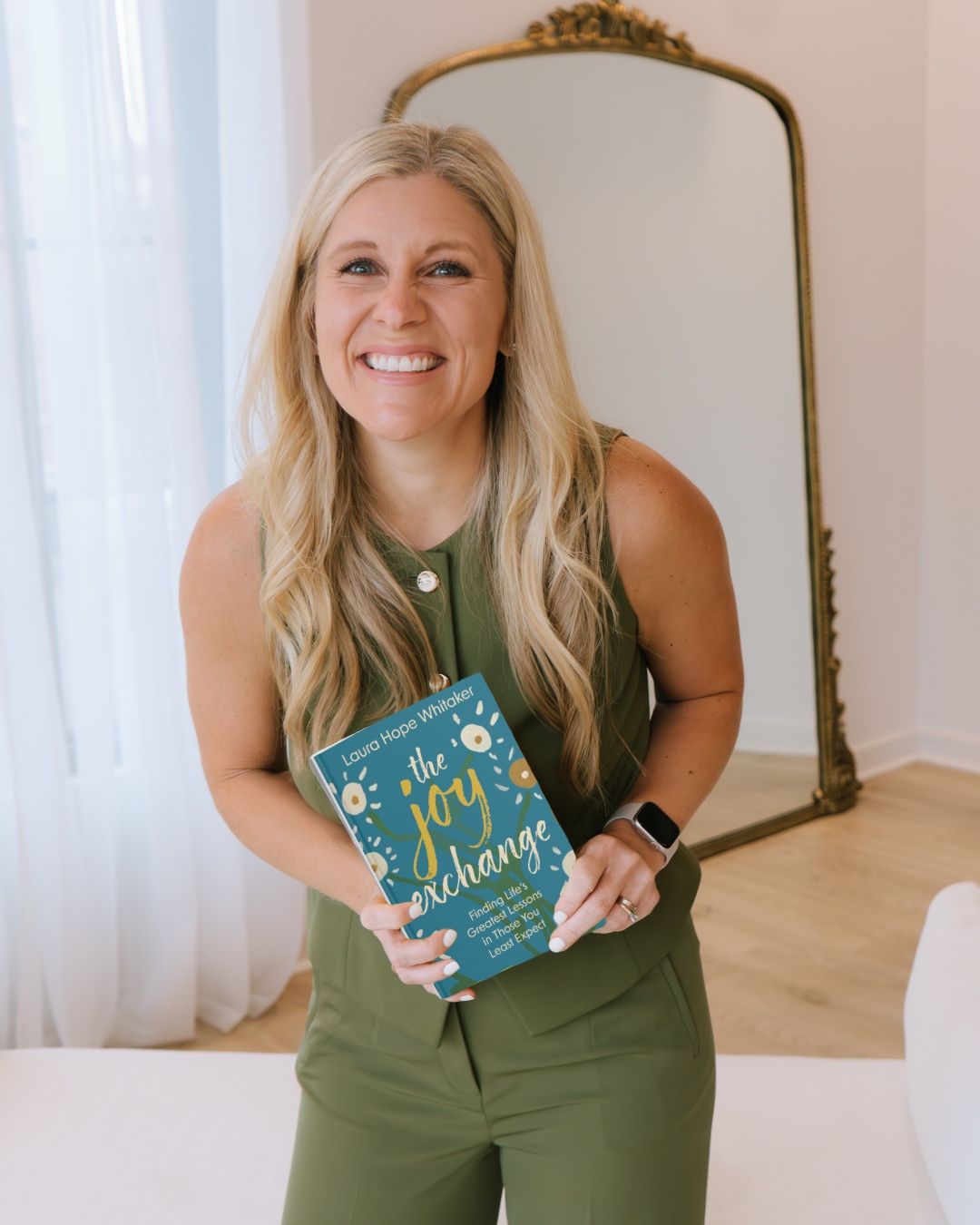
Laura recently published The Joy Exchange: Finding Life’s Greatest Lessons in Those You Least Expect. The book traces the leadership lessons from the $125K deficit to the $8M budget, written in memoir style with the people ESP serves as the teachers. Available on Amazon, Target, Walmart, and Barnes and Noble.
Manage Your Nonprofit’s Finances Like a Business
Charity Charge gives nonprofit teams the corporate cards, expense tracking, and spend controls built for 501(c)(3) operations. No surprise fees.